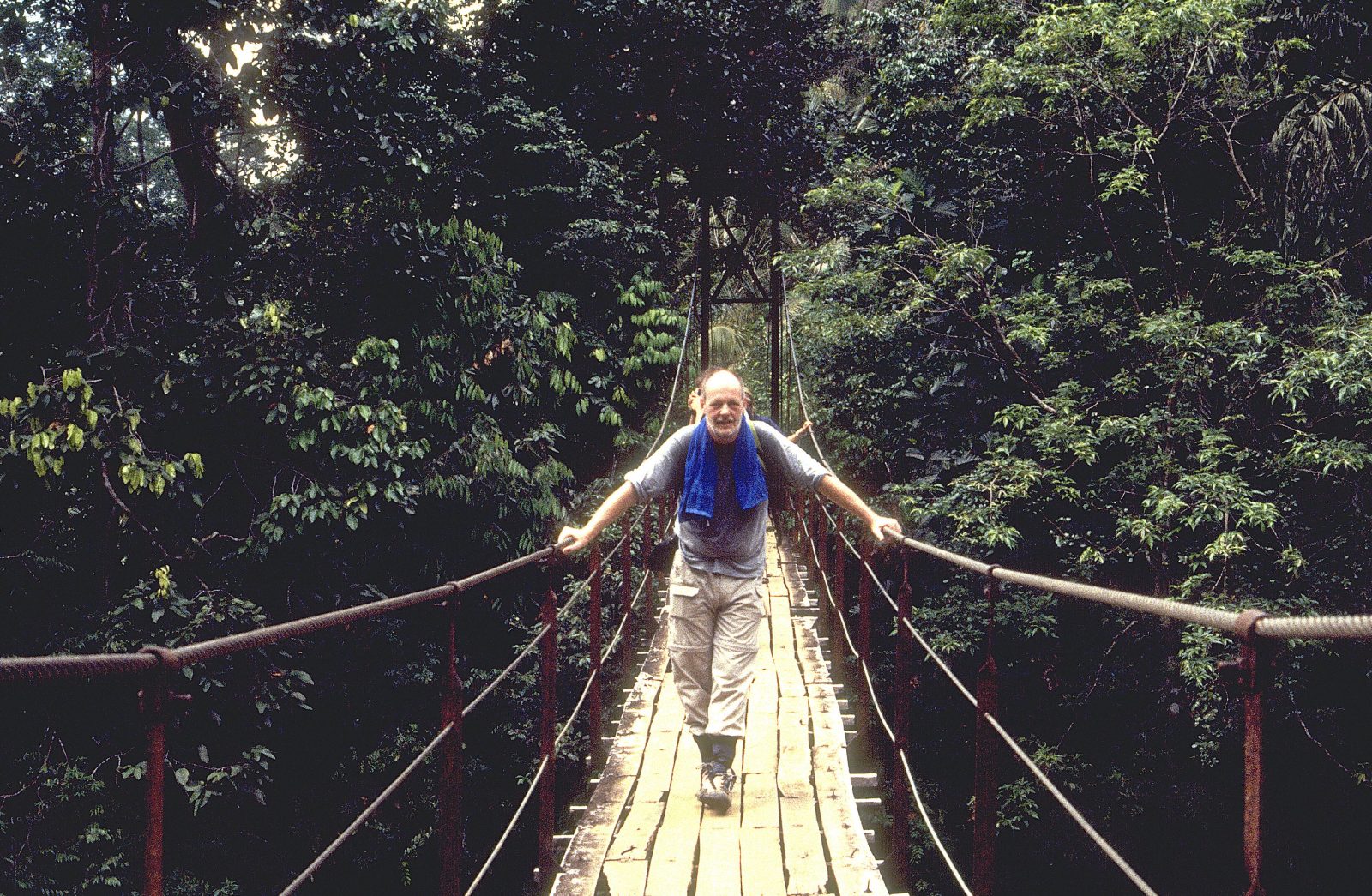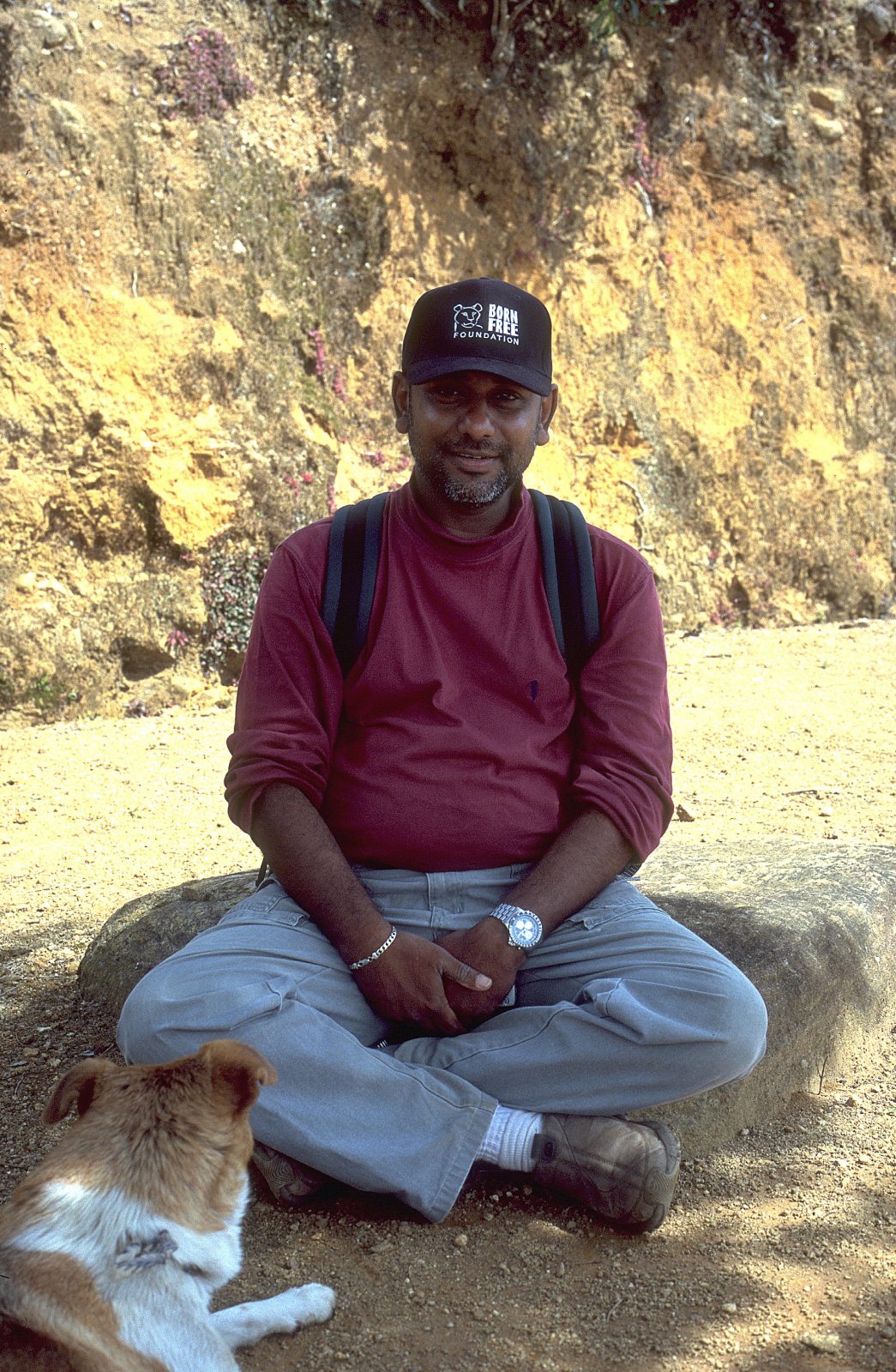
Our first long-distance trip took us to Sri Lanka. From Sigiriya, further north—a monolith with a royal rock fortress dating back to 473 AD perched on its “roof”—through the tea plantations of Nuwara Eliya and Horton Plains in the center, we “hiked our way” through Sri Lanka. We’re still in touch with Gihan, our guide. He regularly sends me pictures of my favorite cat—the leopard—which we unfortunately didn’t get to see back then.
We spent our last week at a beach hotel in Tangalle, which was unfortunately completely destroyed by the 2004 tsunami.
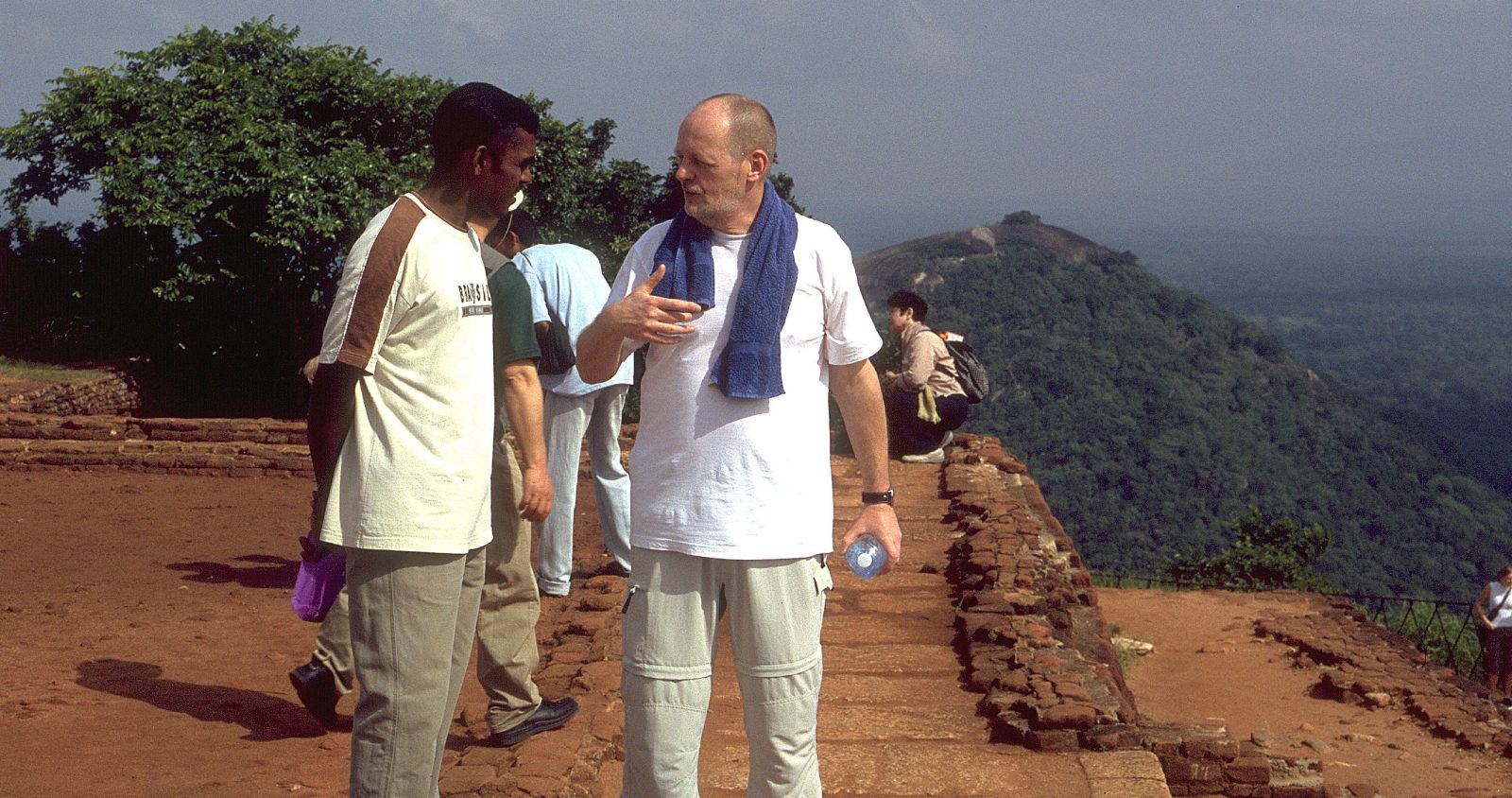
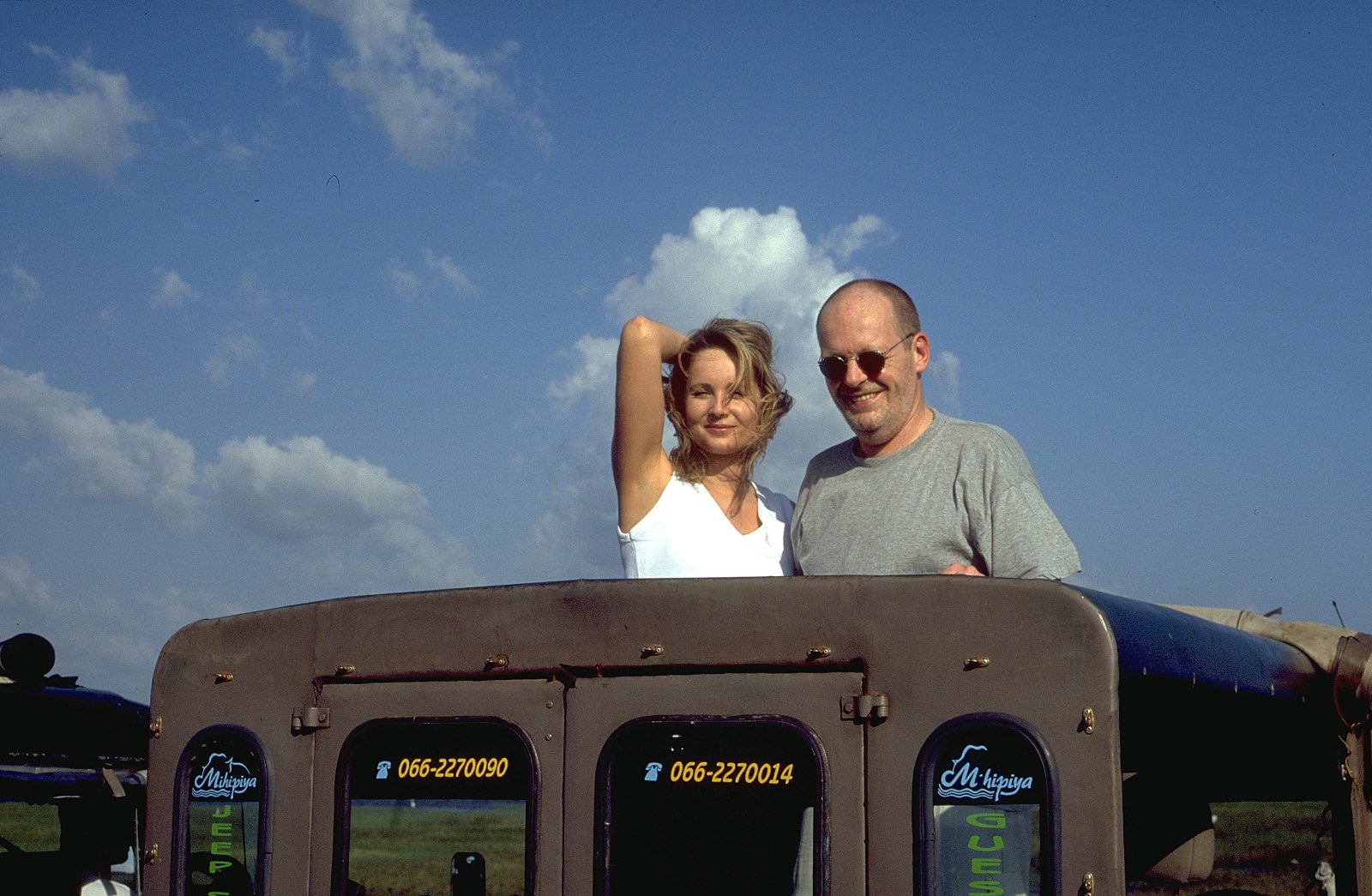
The young man on the left is Gihan Candrawansa, our guide during our first few days in Sri Lanka. Thanks to modern technology, we’re still in touch with him today.
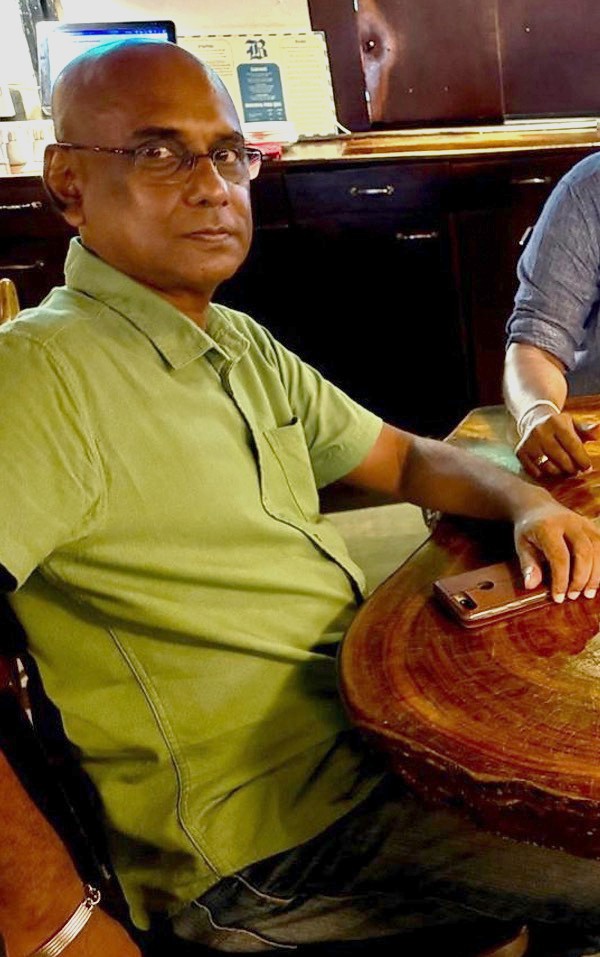
The slightly older gentleman on the right is Gihan today.
The first day
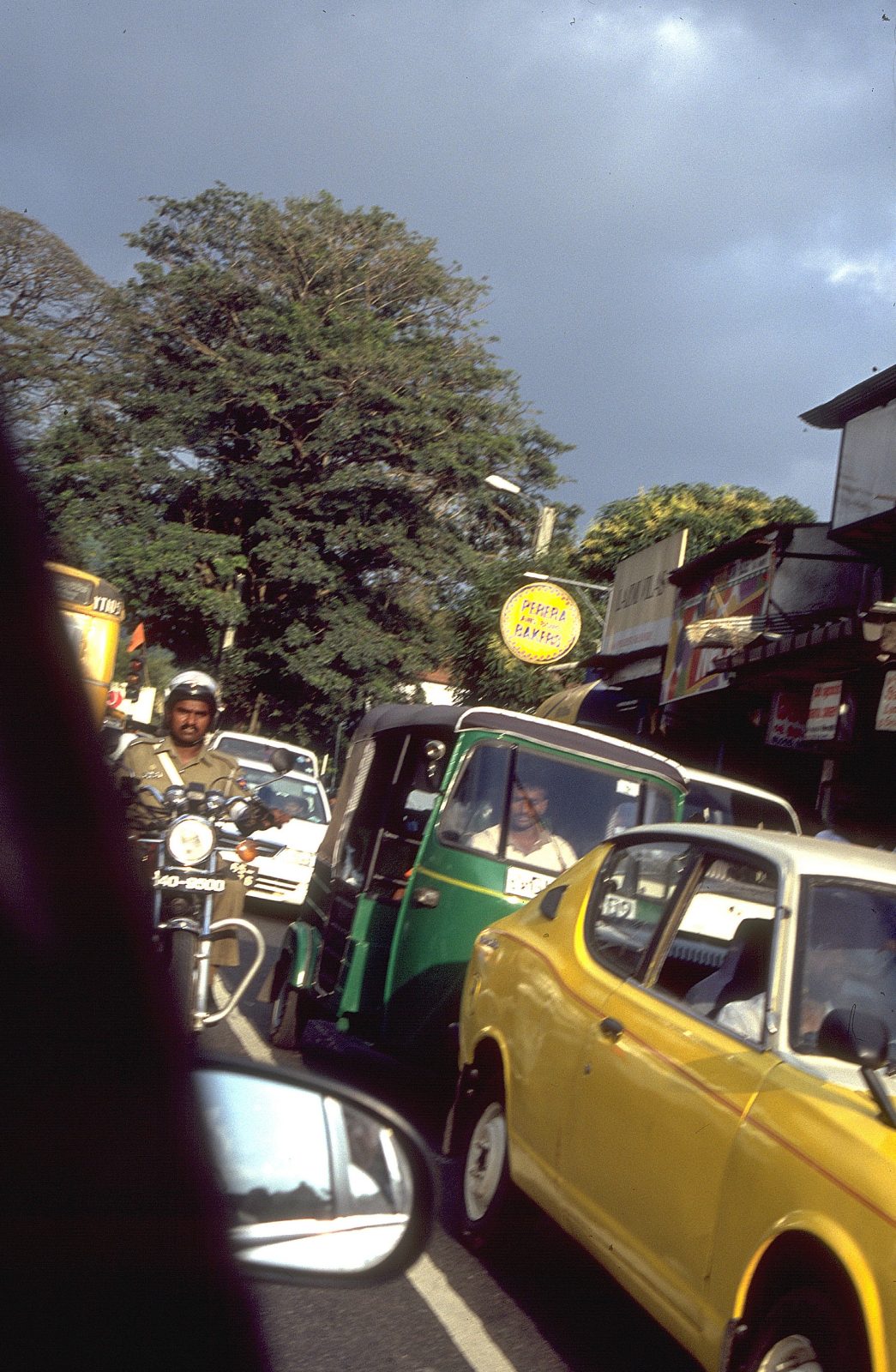
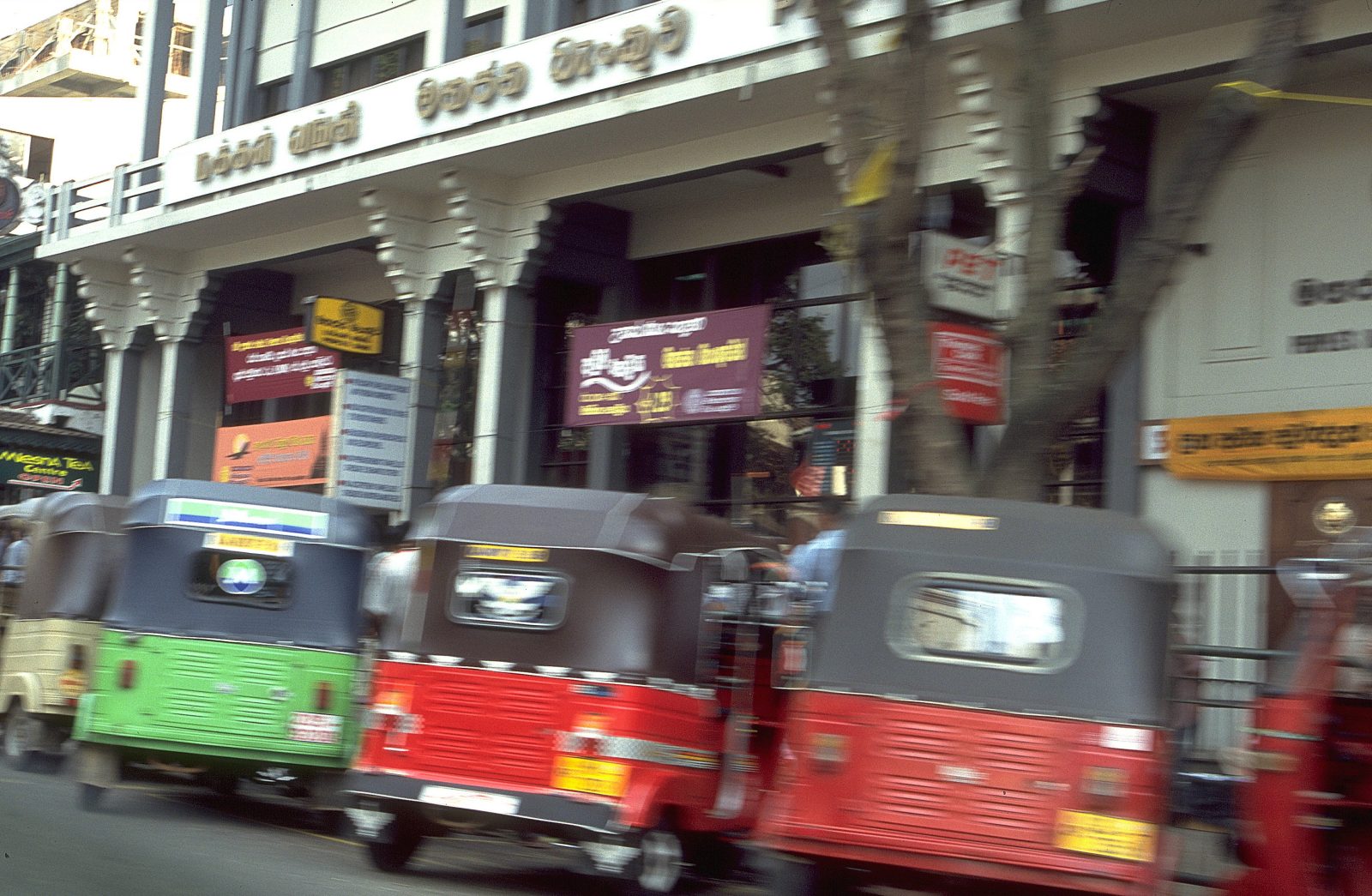
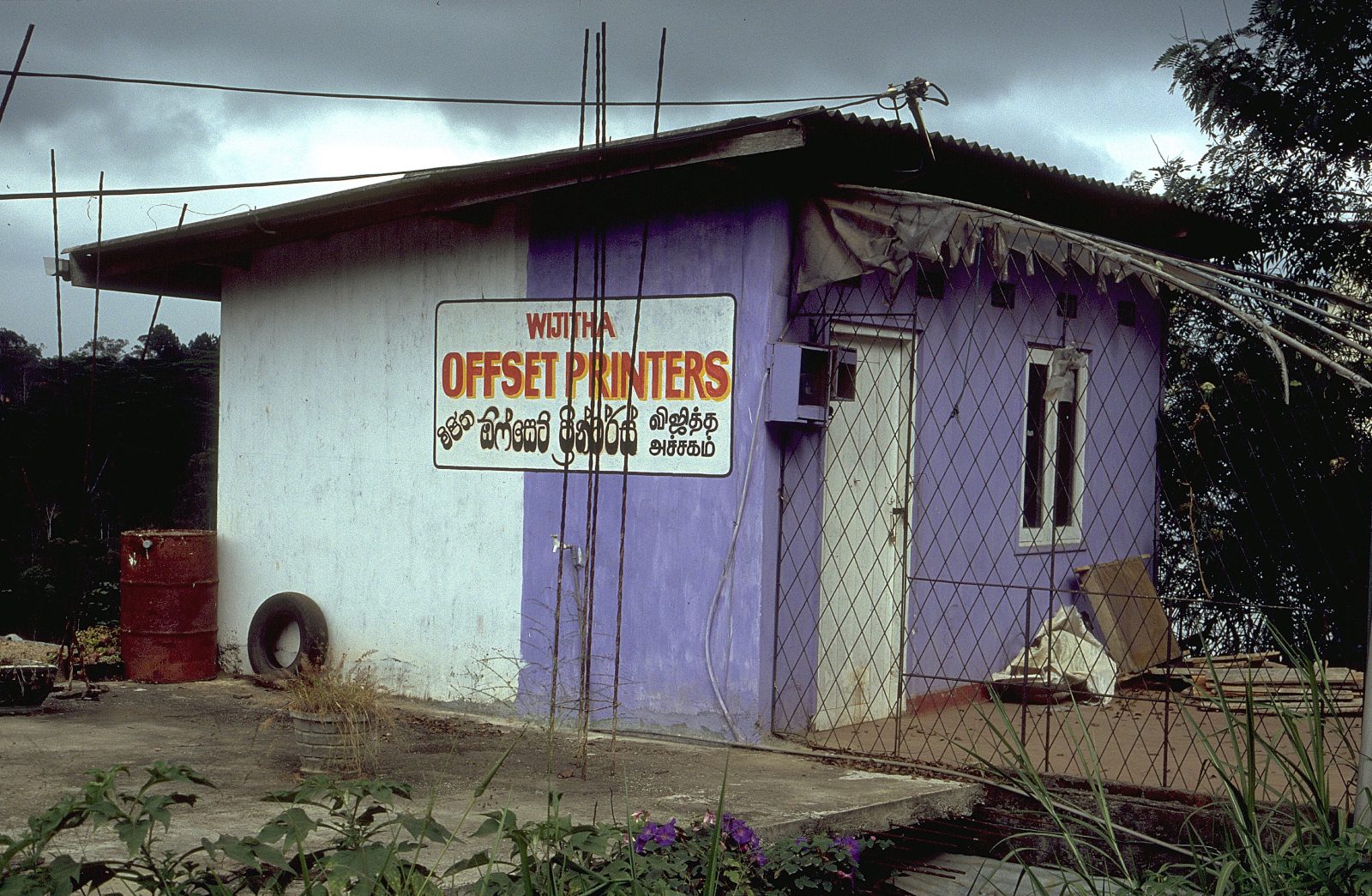
Impressions:
after landing in Colombo, on the way to our first hotel.
after landing in Colombo, on the way to our first hotel.
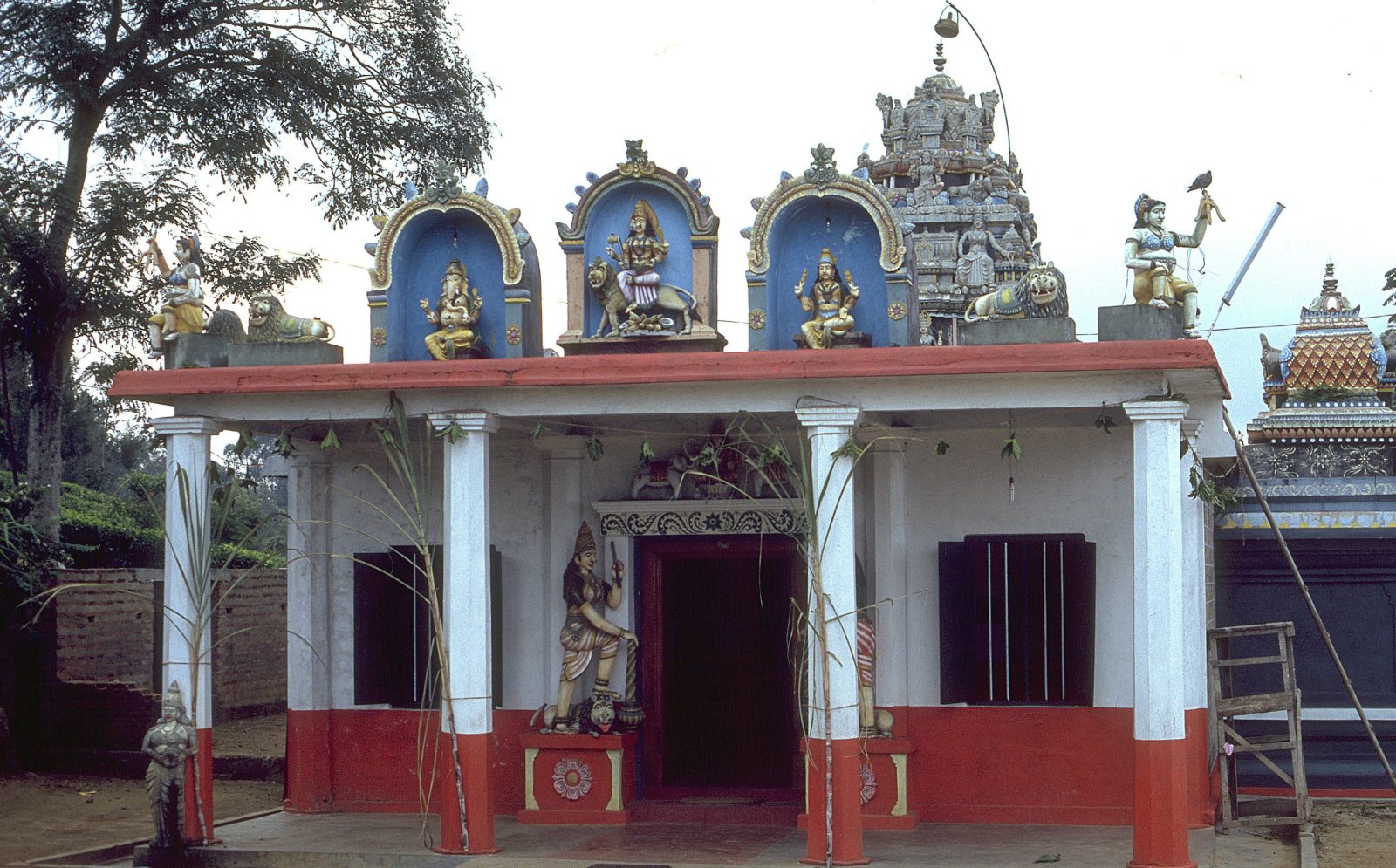
The Lion Rock
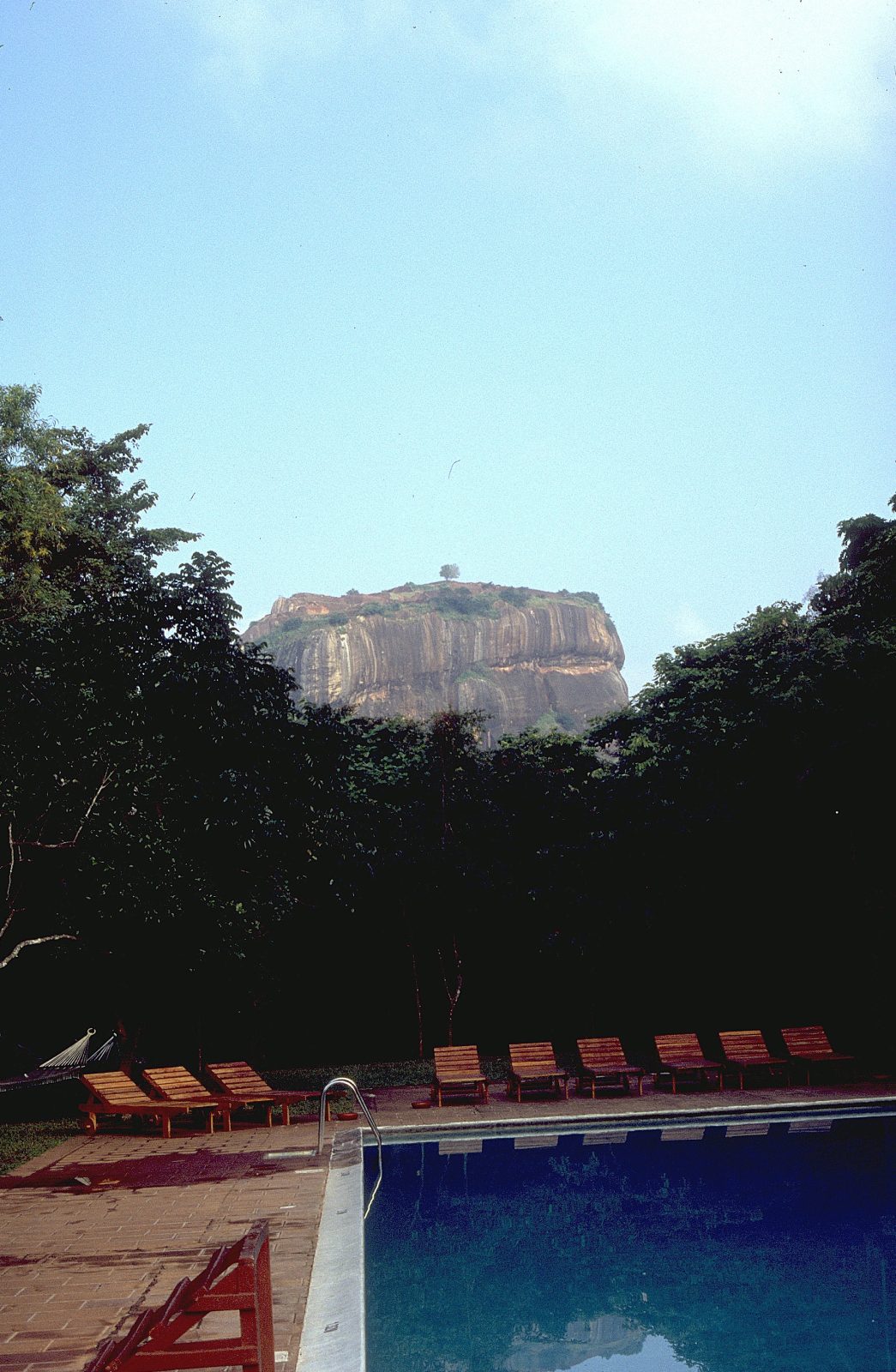
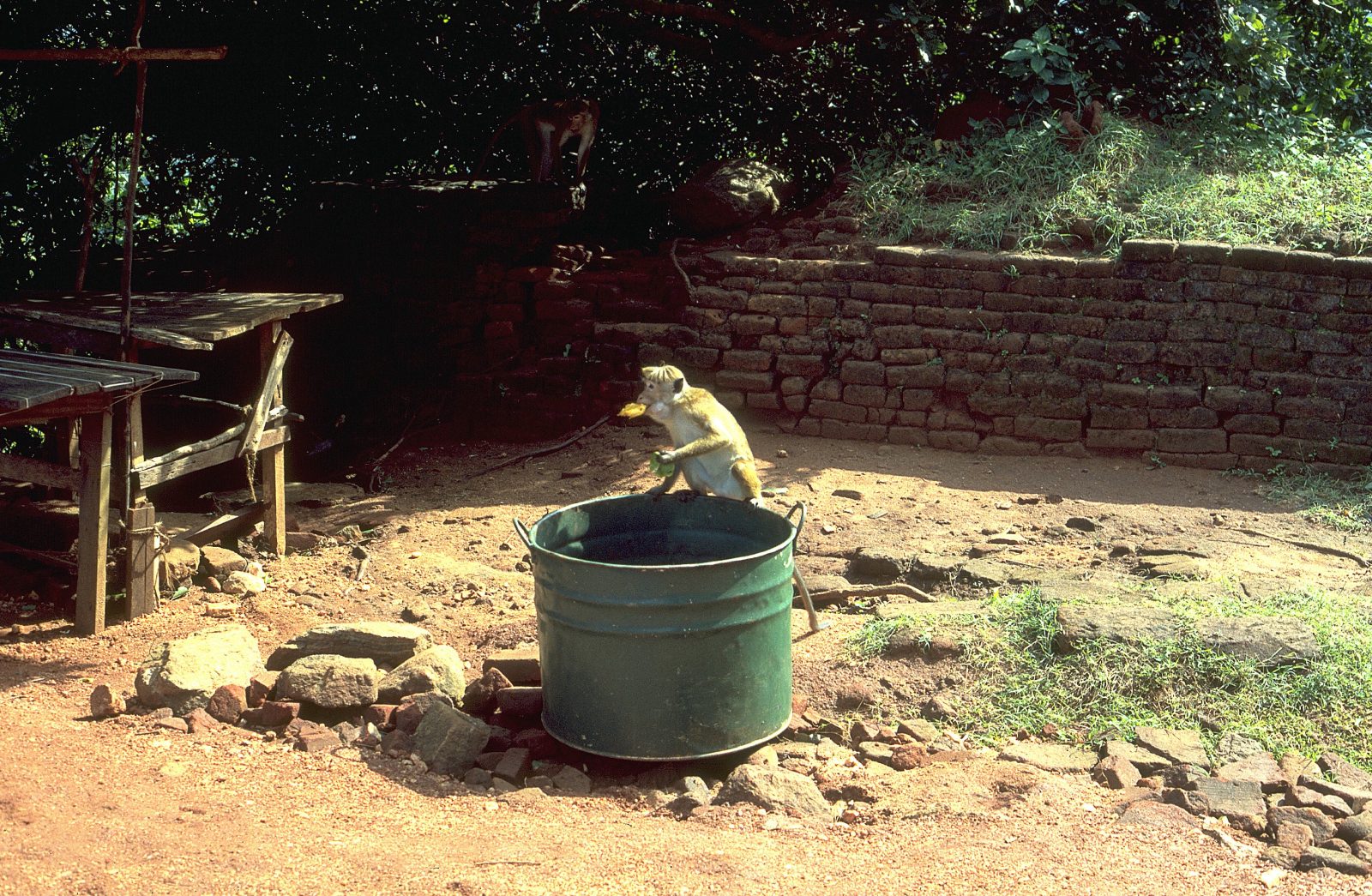
Sigiriya—Singha Giri - the Lion Rock
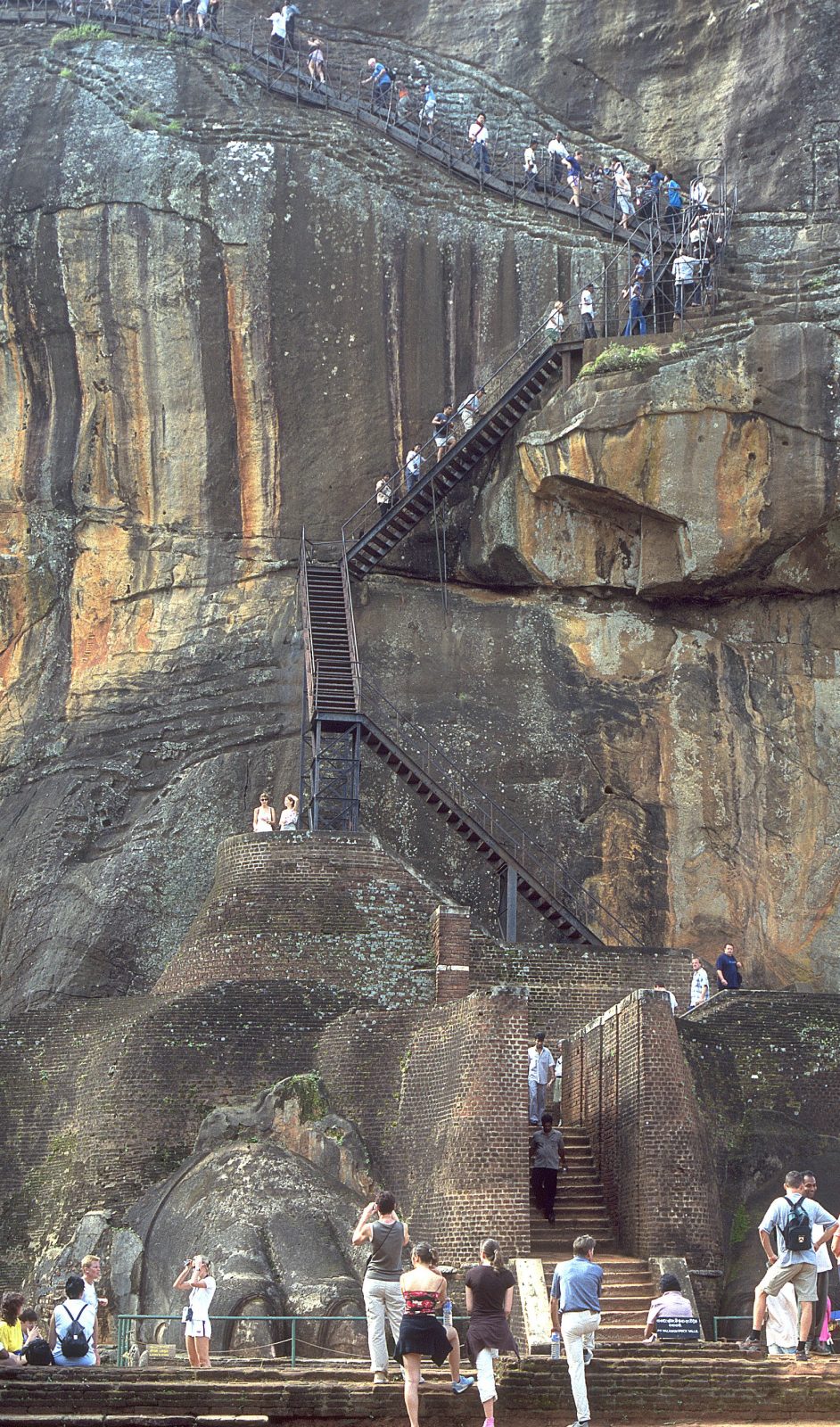
because, when viewed from the front, it looked like a reclining lion. Today, all that remains are the lion’s paws, between which the grueling climb up an adventurous staircase took place.
because, when viewed from the front, it looked like a reclining lion. Today, all that remains are the lion’s paws, between which the grueling climb up an adventurous staircase took place.
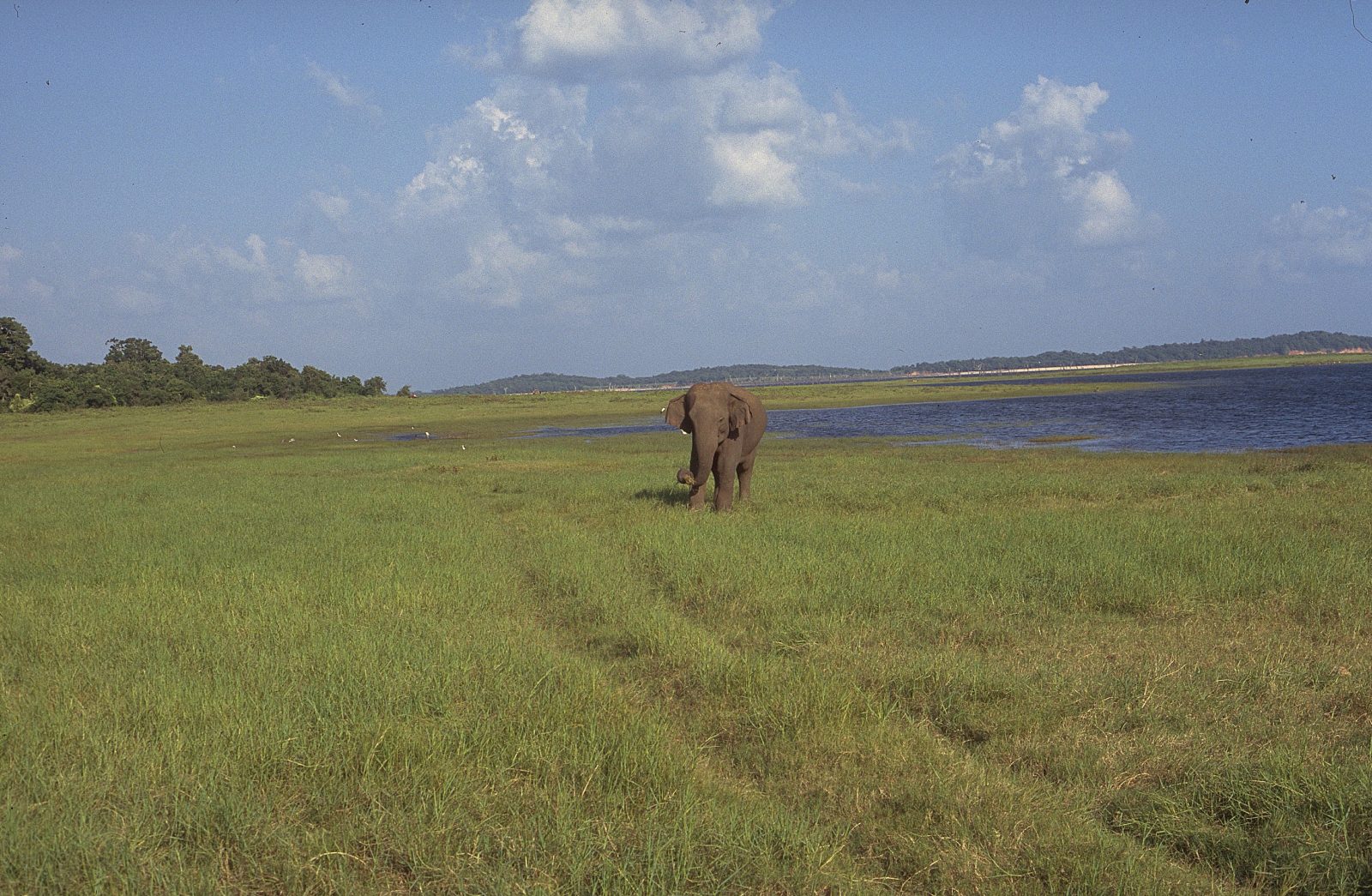
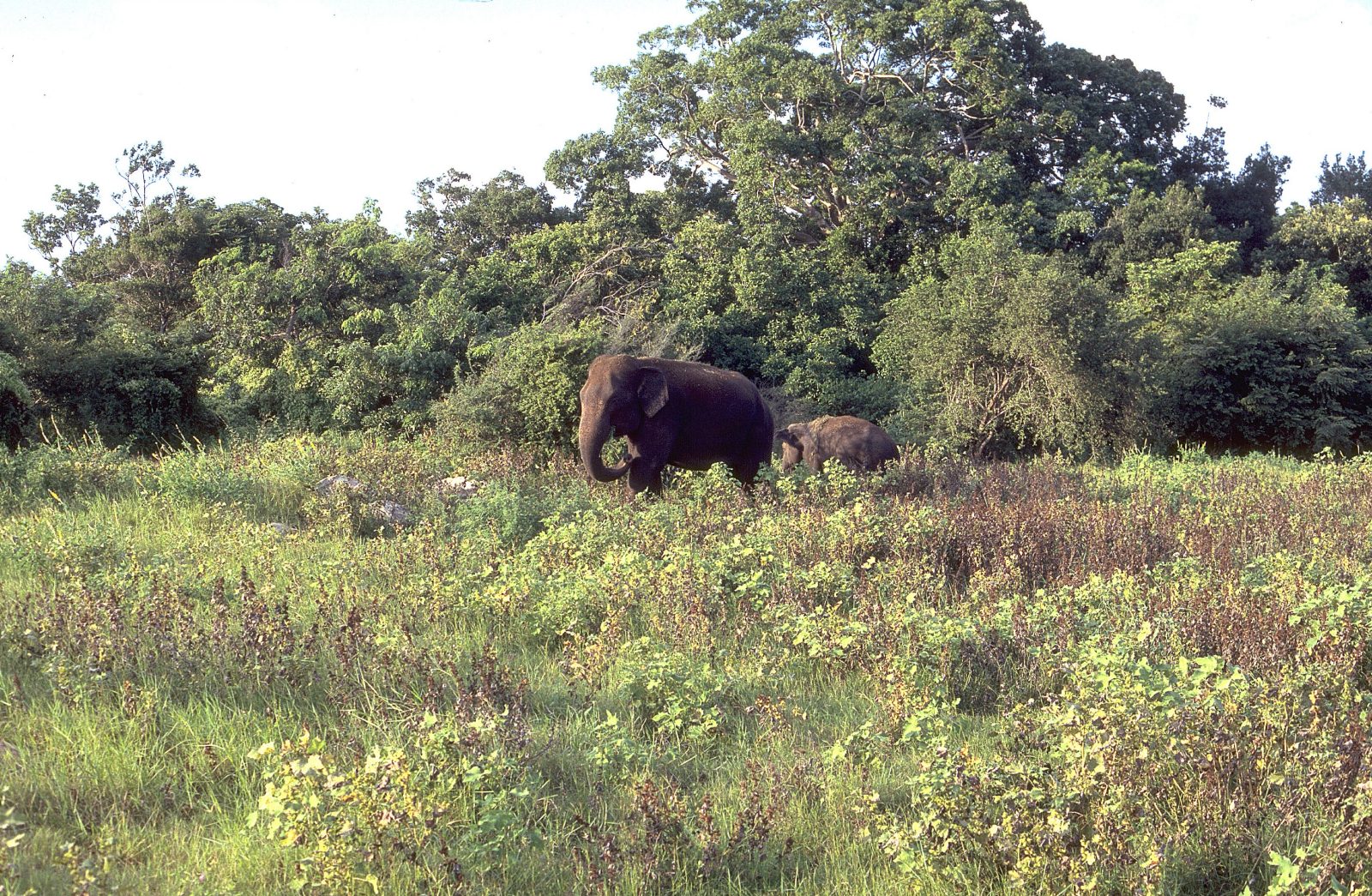
The first "Safari".
Our first wild elephants.
Our first wild elephants.
1 of 9
Horton Plains - Central Highlands
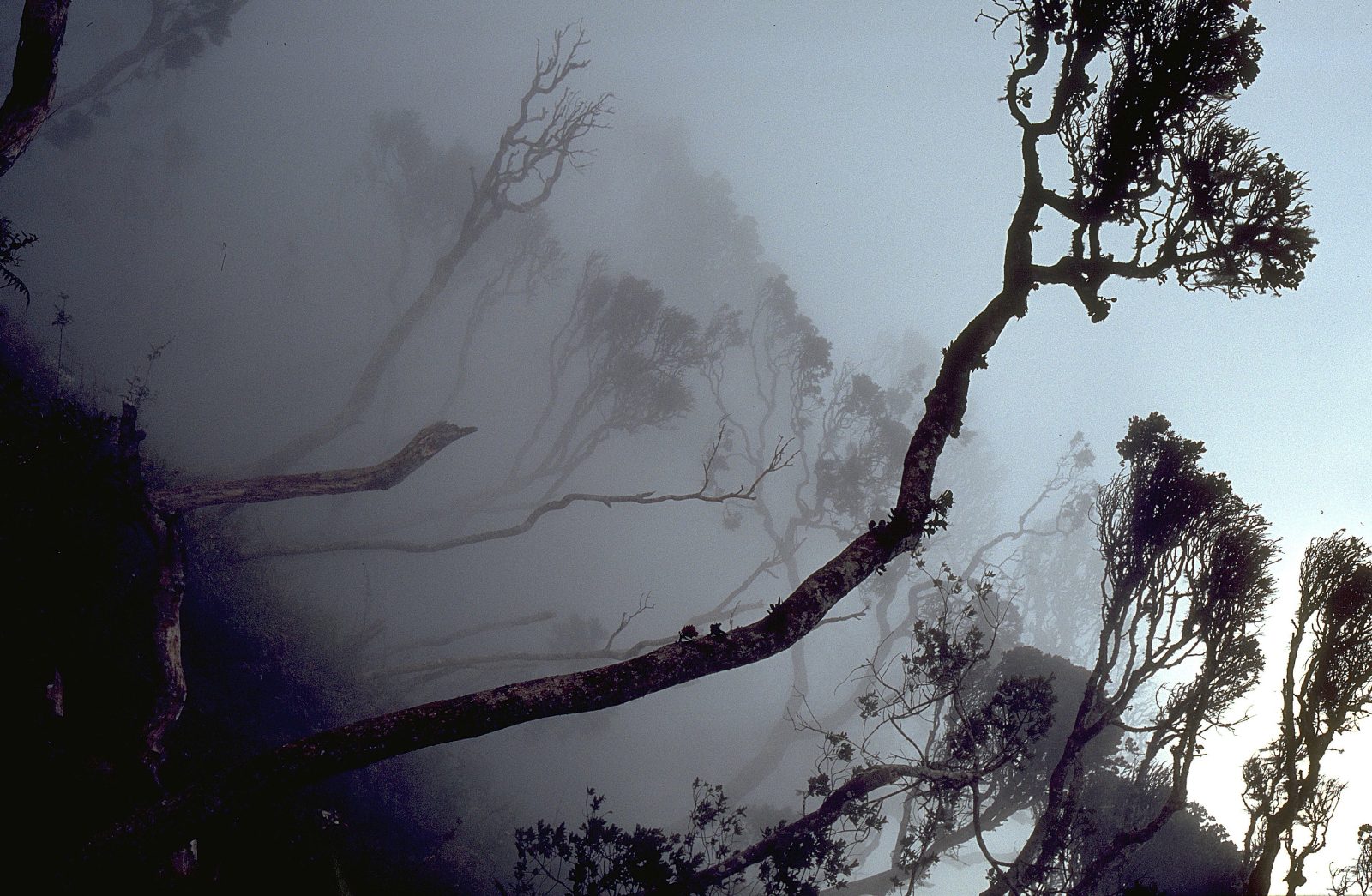
The Sinhalese name for Horton Plains is Maha Eliya Thenna, which means “great open plain.” During the British colonial period, the area was renamed Horton Plains after Sir Robert Wilmot-Horton. He served as governor of what was then Ceylon from 1831 to 1837.
Horton Plains became a wildlife sanctuary in December 1969. In March 1988, it was designated a national park. Covering an area of 3,160 hectares, it contains one of Sri Lanka’s largest cloud forest areas. It is also worth noting that seven years after our visit, in July 2010, the Central Highlands - including Horton Plains National Park, Peak Wilderness Sanctuary, and the Knuckles Mountain Range - were inscribed on the UNESCO World Natural Heritage List.
Thanks to our guide, Gihan, we were able to fully experience and explore this beautiful landscape back then.
Translated with DeepL.com (free version)
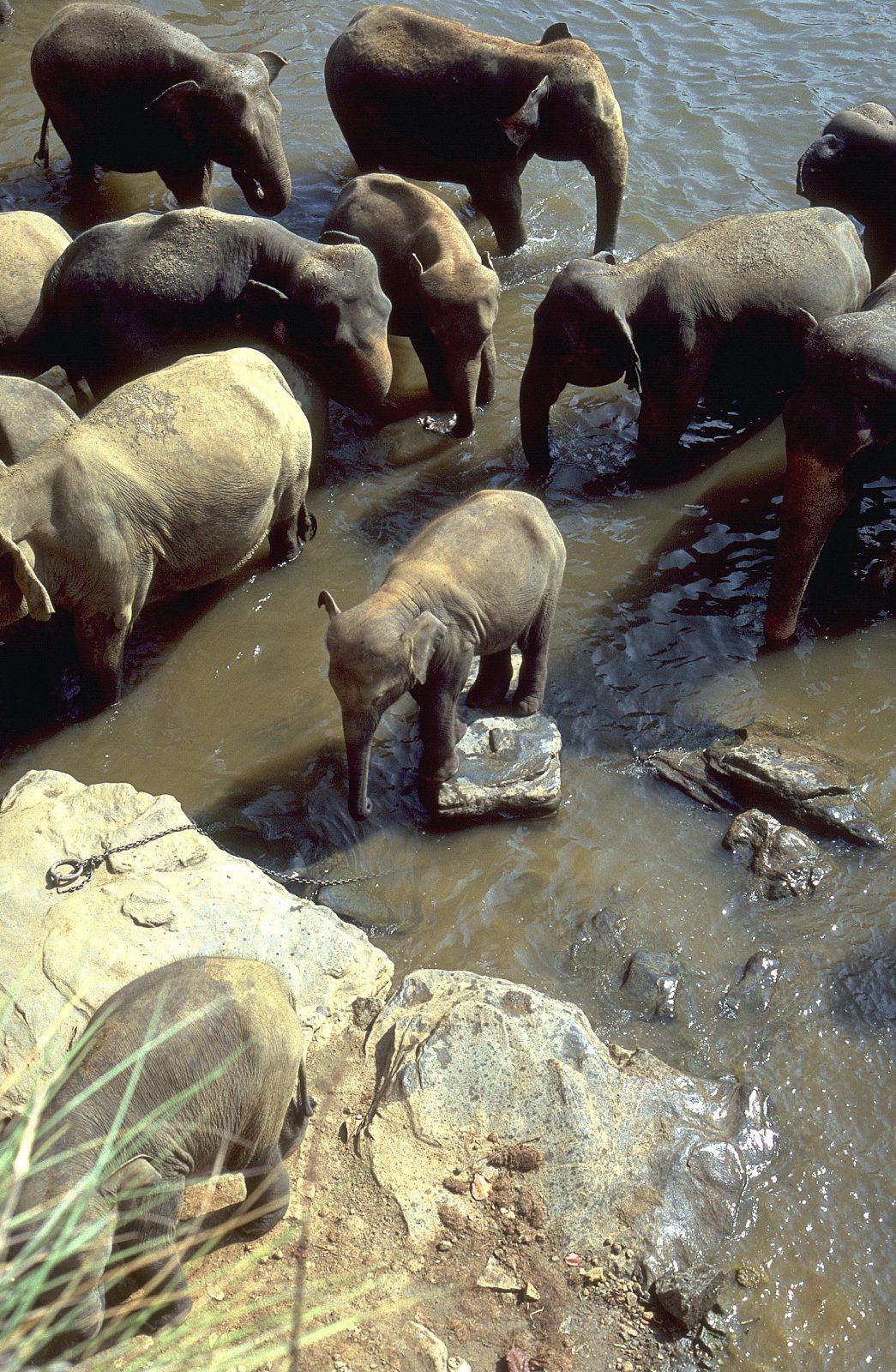
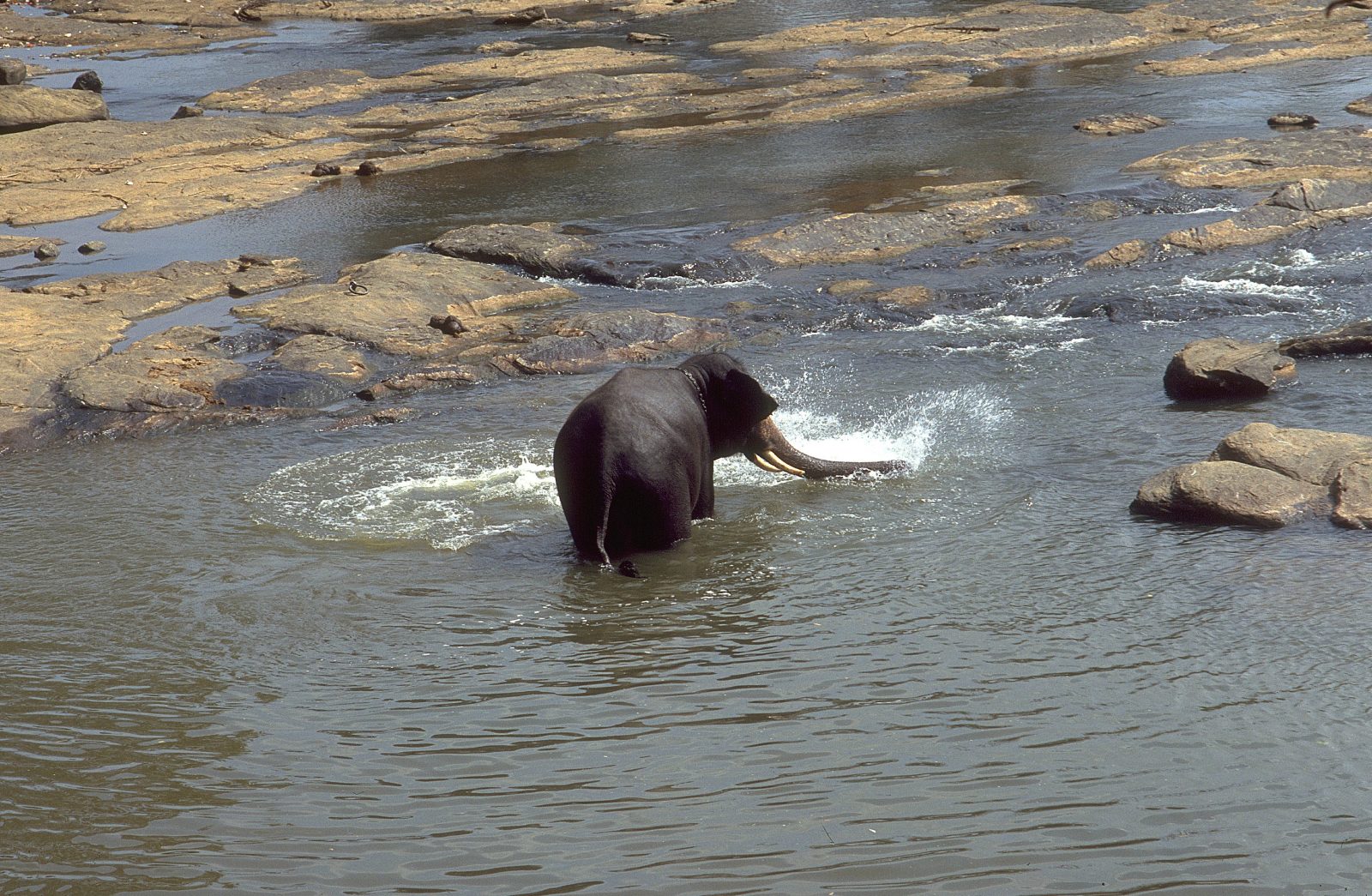
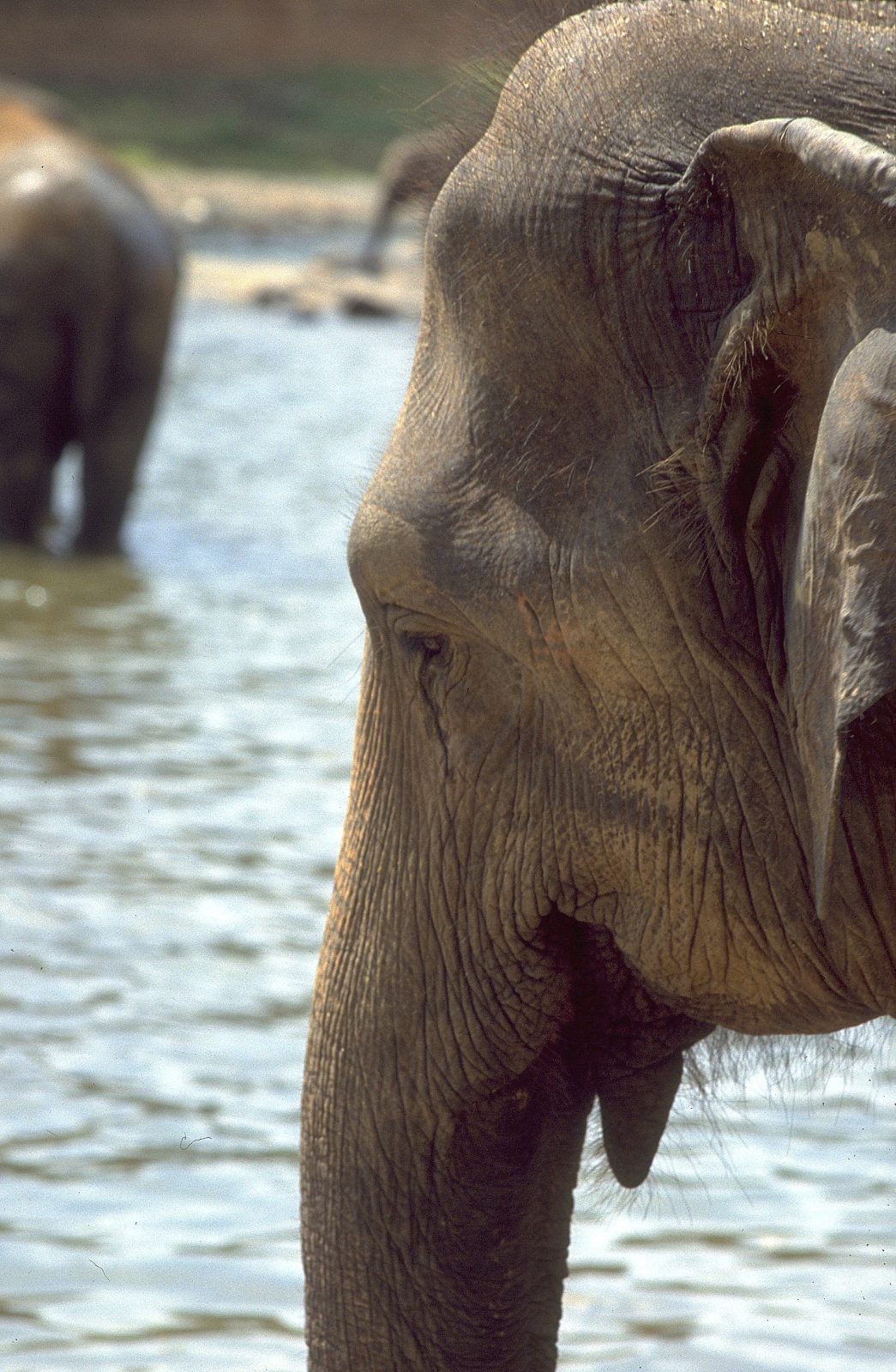
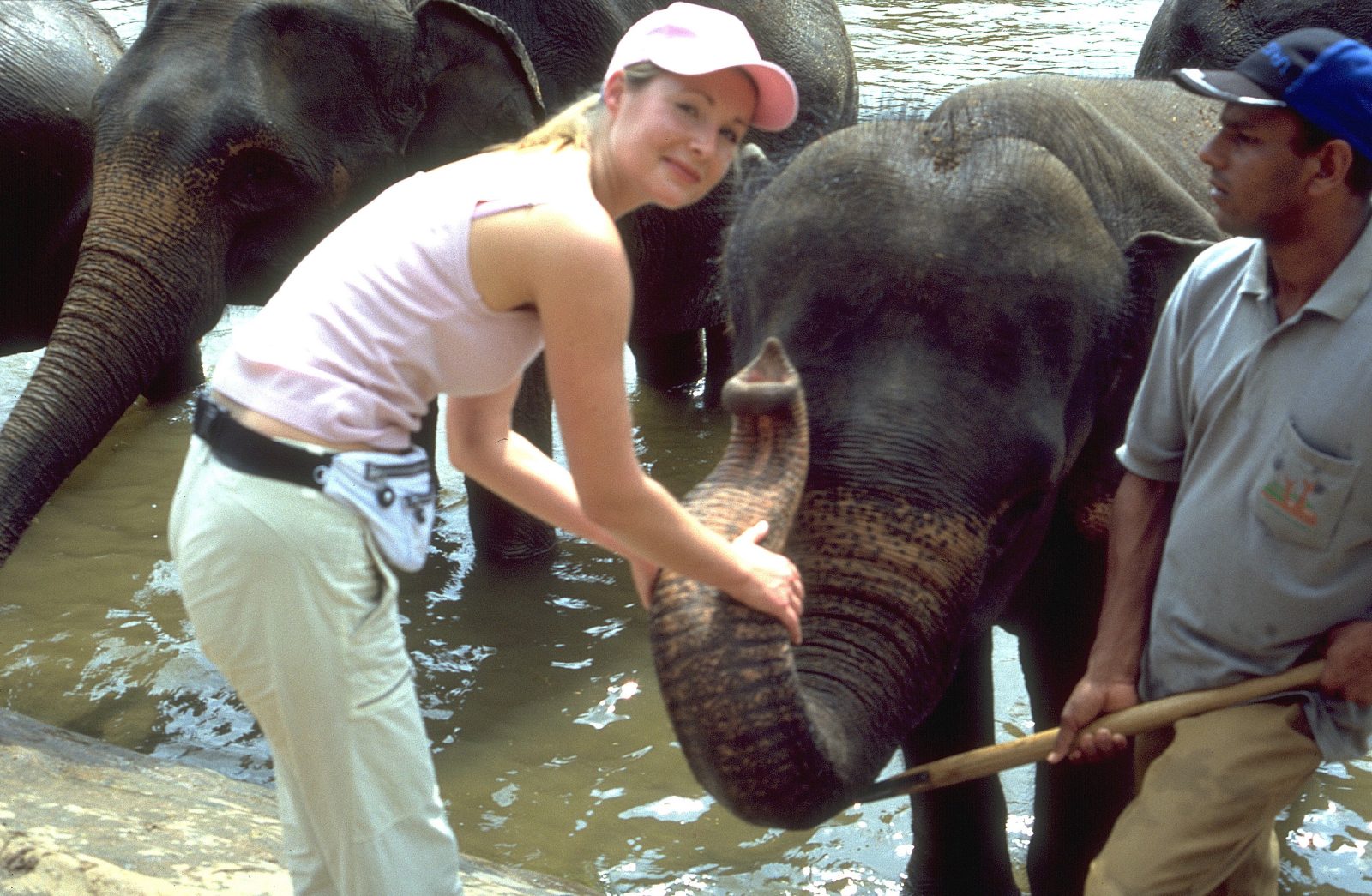
The Elephant Orphanage
It was founded in 1975 by the Sri Lankan Department of Wildlife Conservation to care for and rehabilitate orphaned elephant calves found in the wild.
Alpine Inn - Hiking the teaplantations
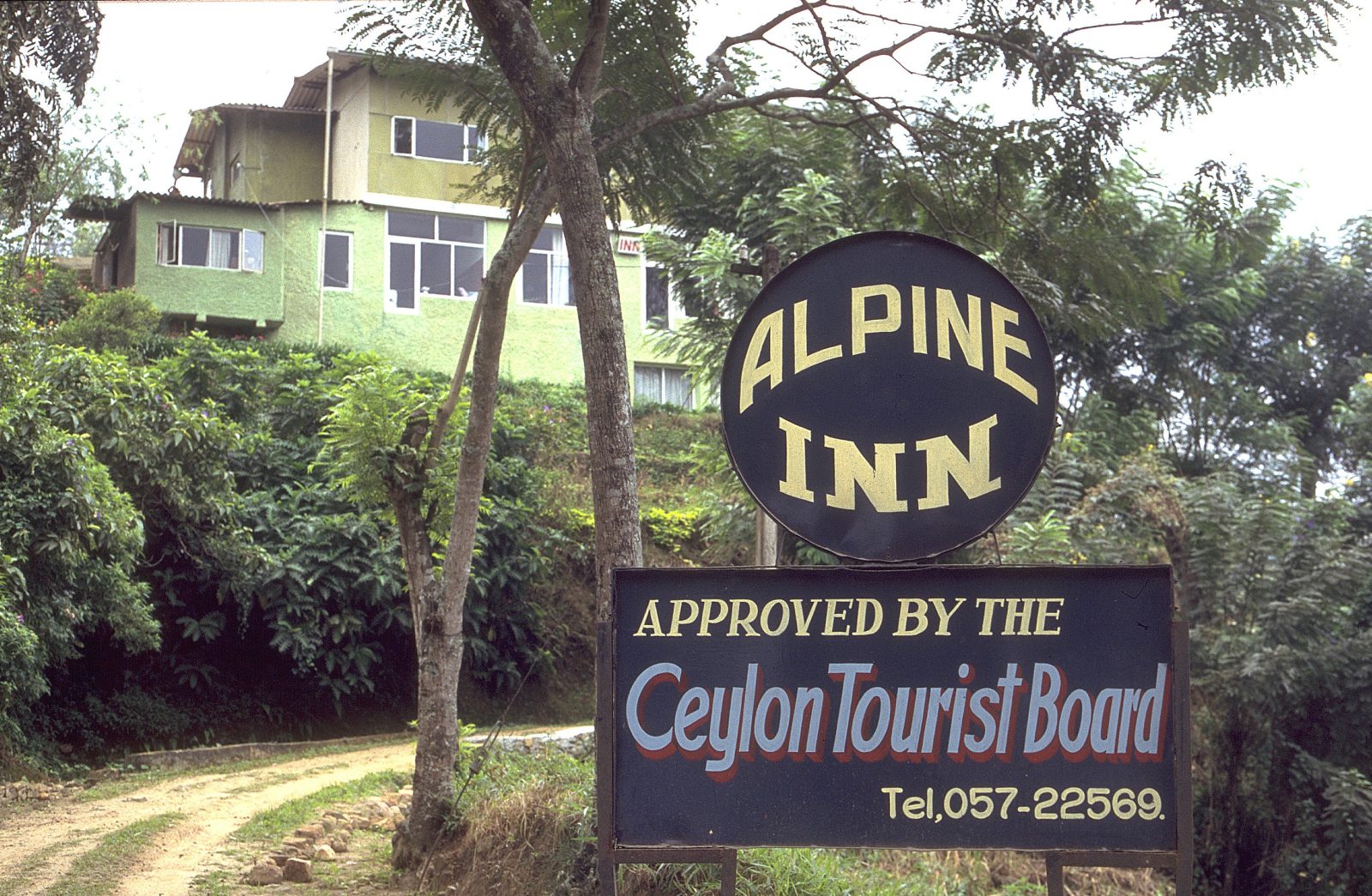
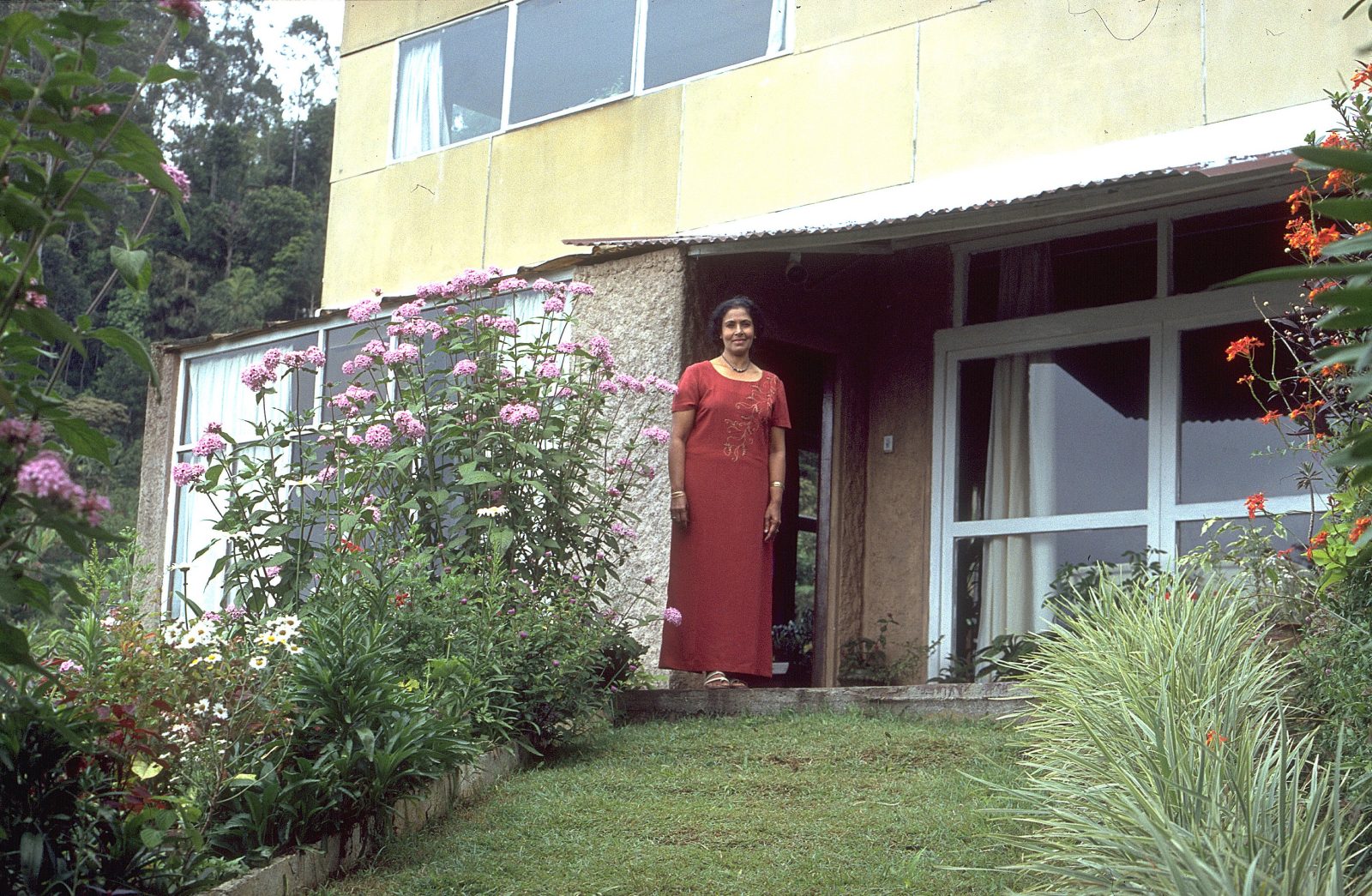
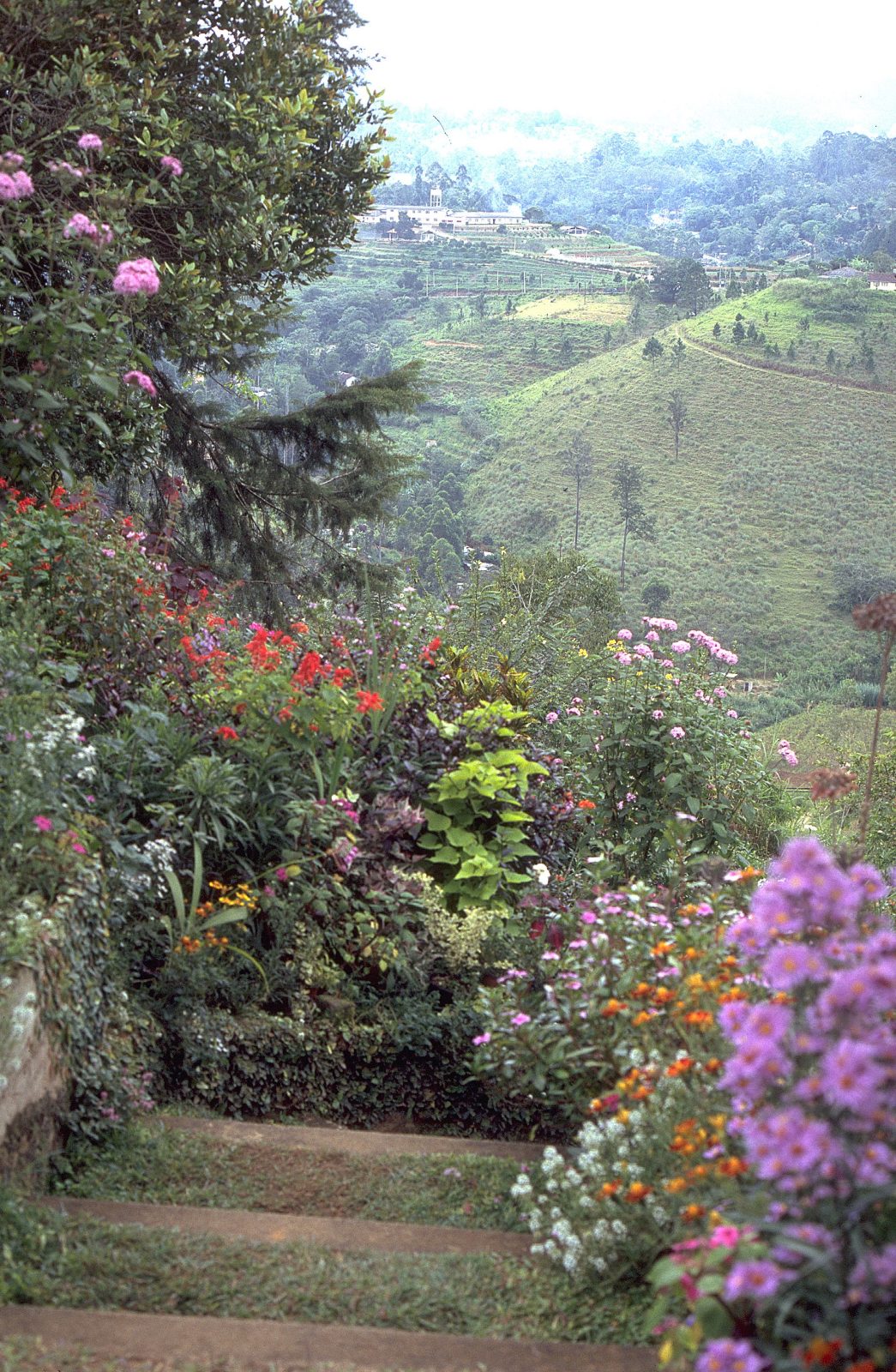
The Alpine Inn in Bandarawela, a small guesthouse run at the time by a lady who gave us a very warm welcome. Her late husband was, if I recall correctly, a representative or owner of a toy factory and therefore a frequent visitor to the Nuremberg Toy Fair. The Alpine Inn was the starting point for an extensive hike through the tea plantations—a hike we still remember to this day.
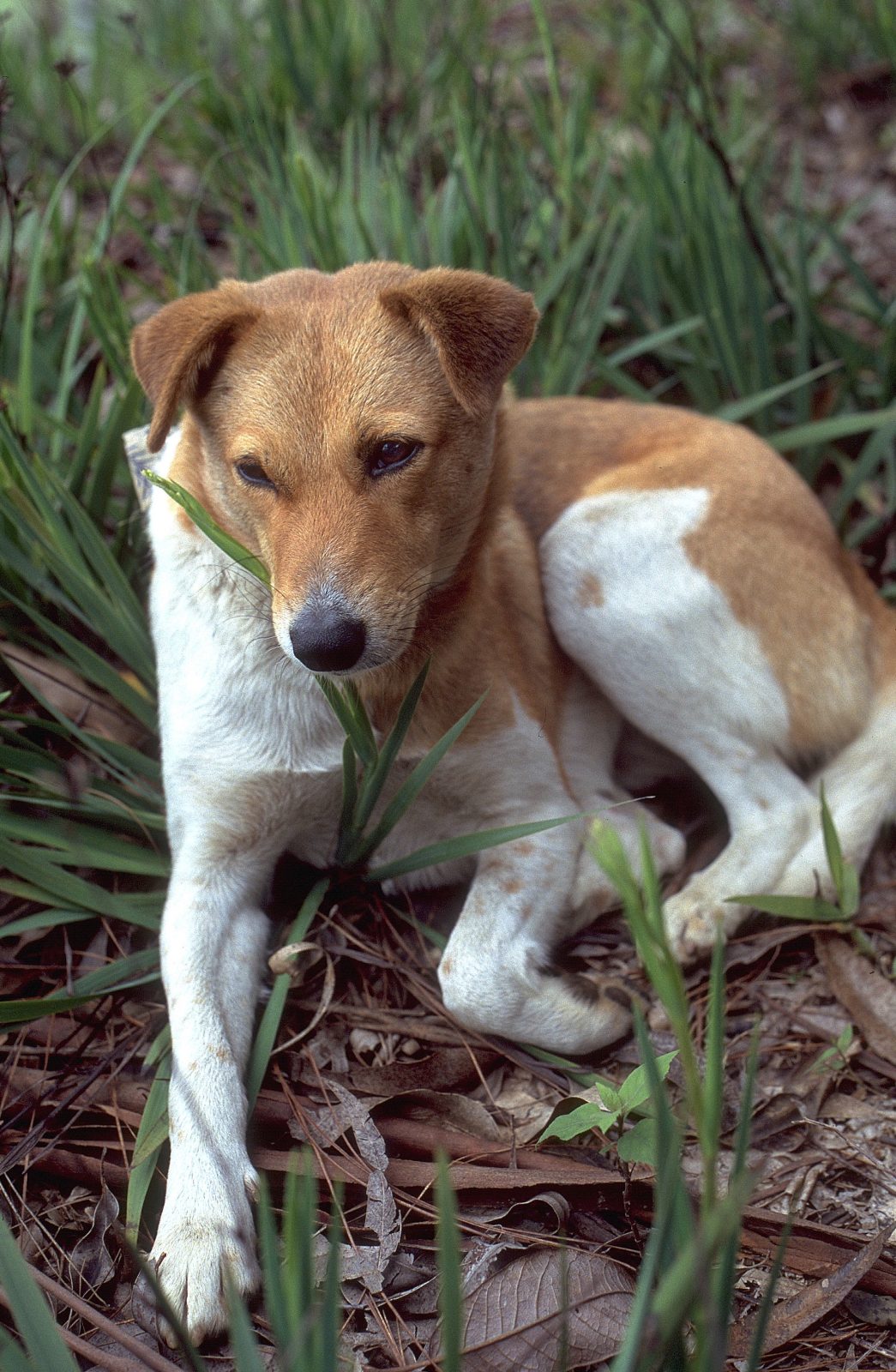
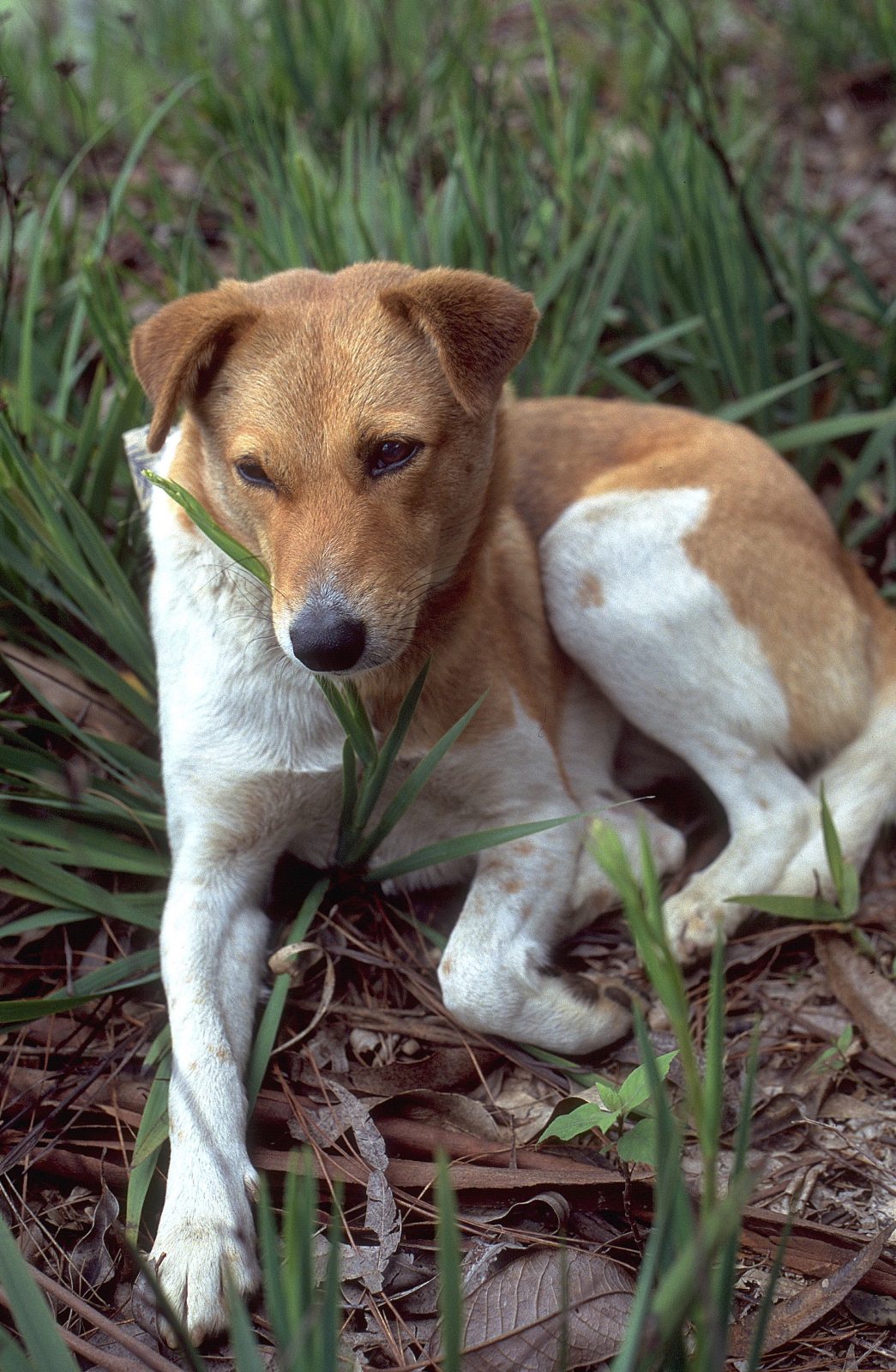
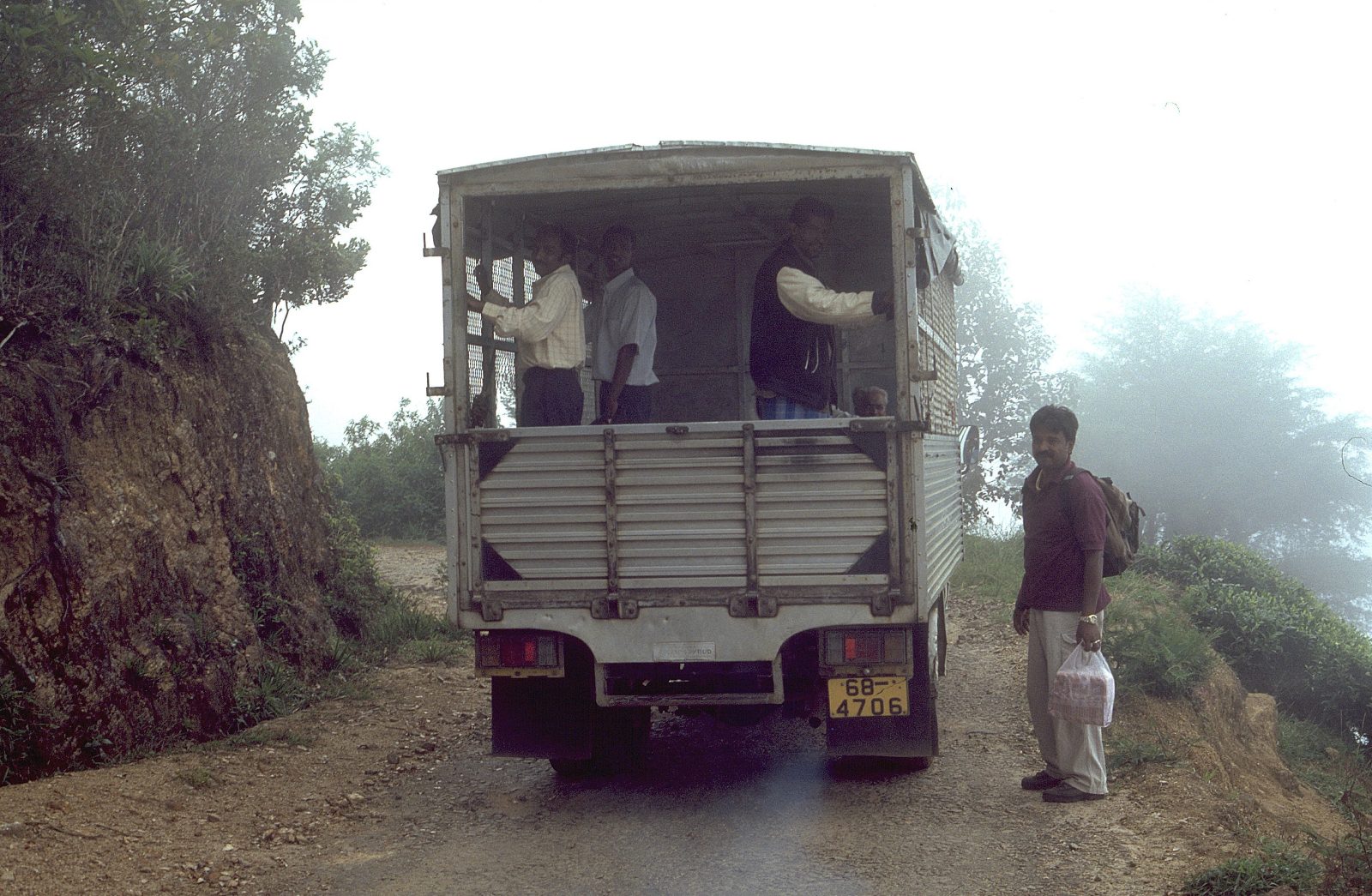
We took the train to the starting point, from where we were driven on the back of a truck to the beginning of our hike. The dog accompanied us the whole time from there on.
We took the train to the starting point, from where we were driven on the back of a truck to the beginning of our hike. The dog accompanied us the whole time from there on.
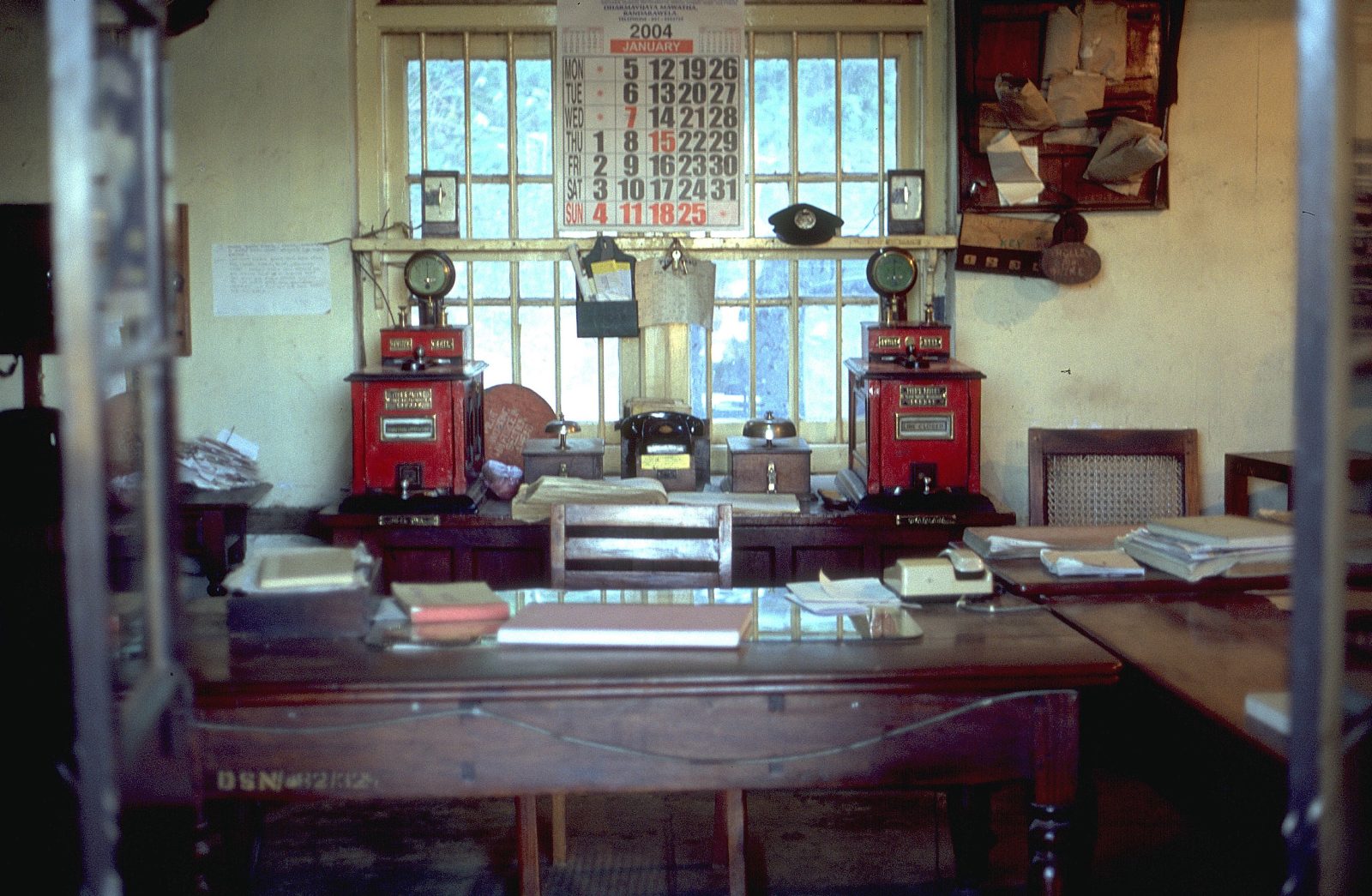
These old devices still work
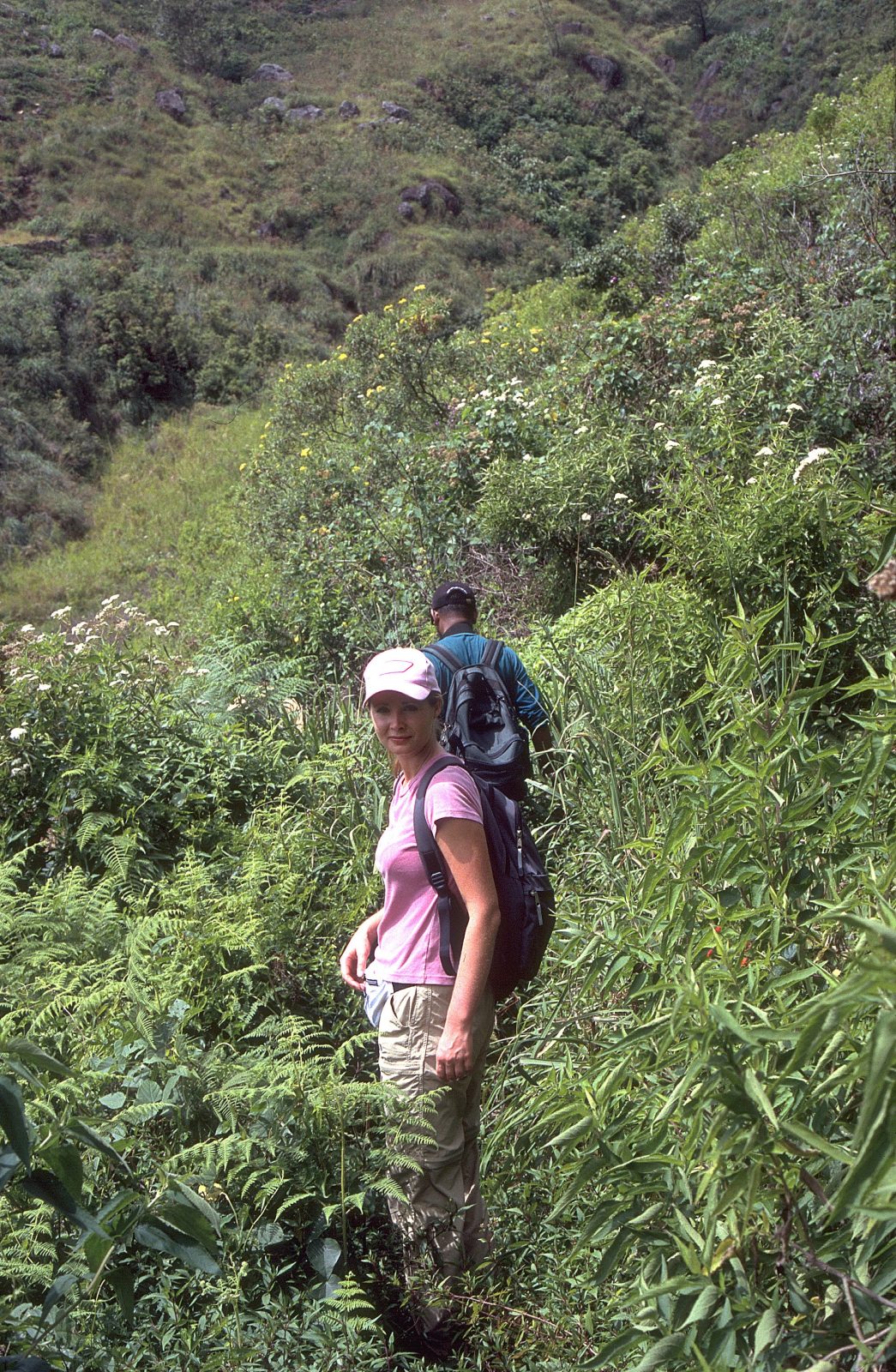
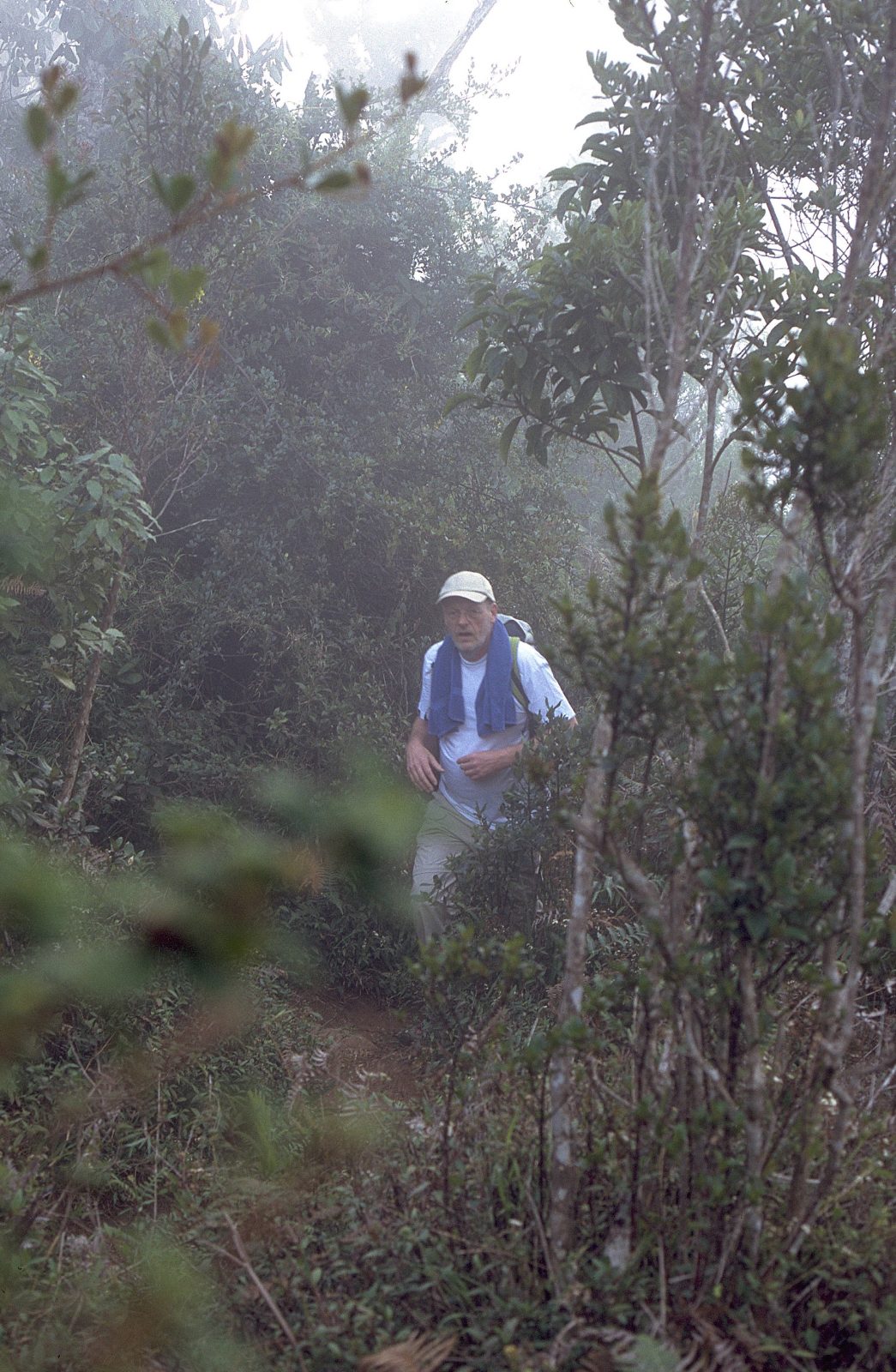
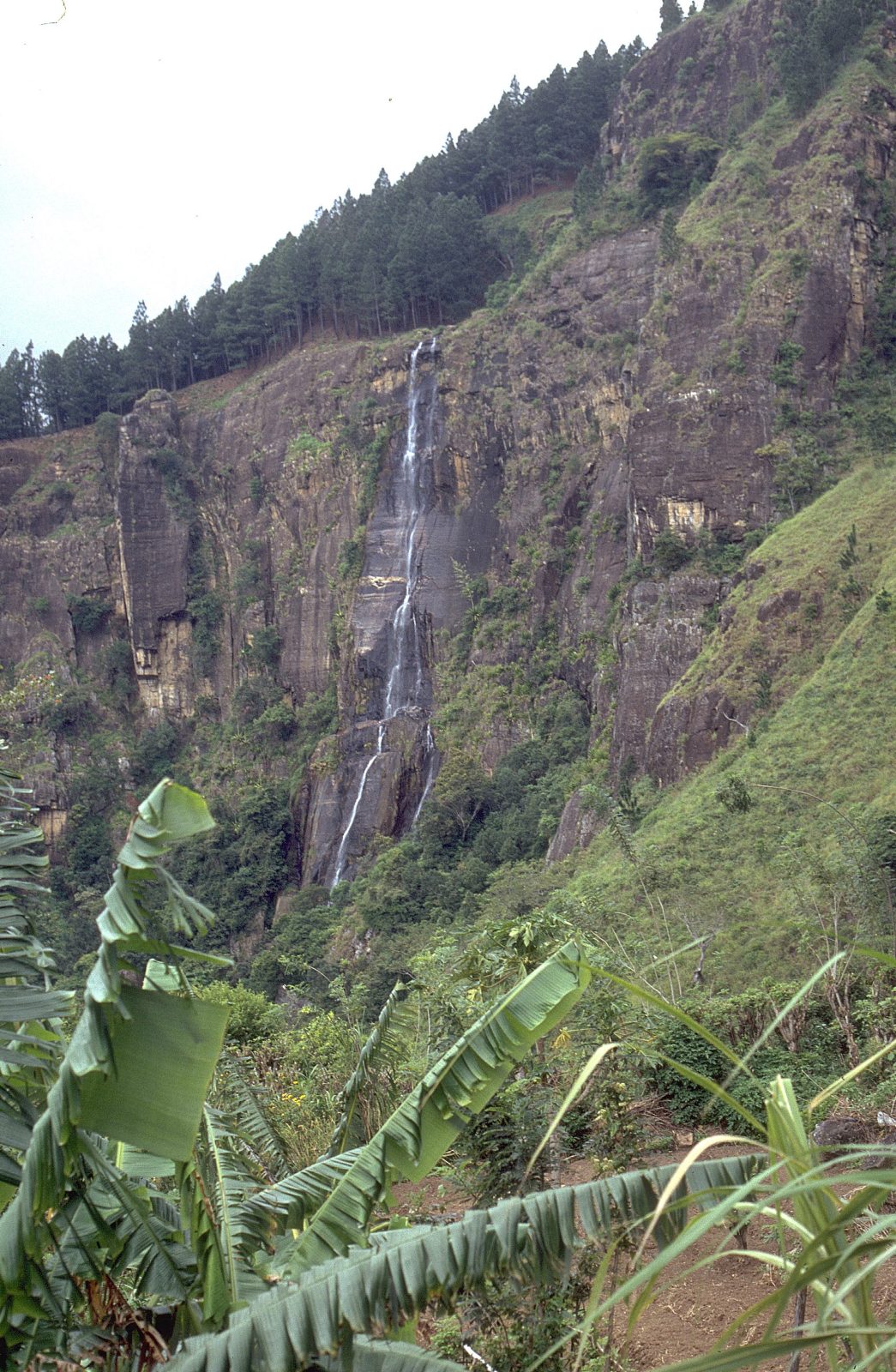
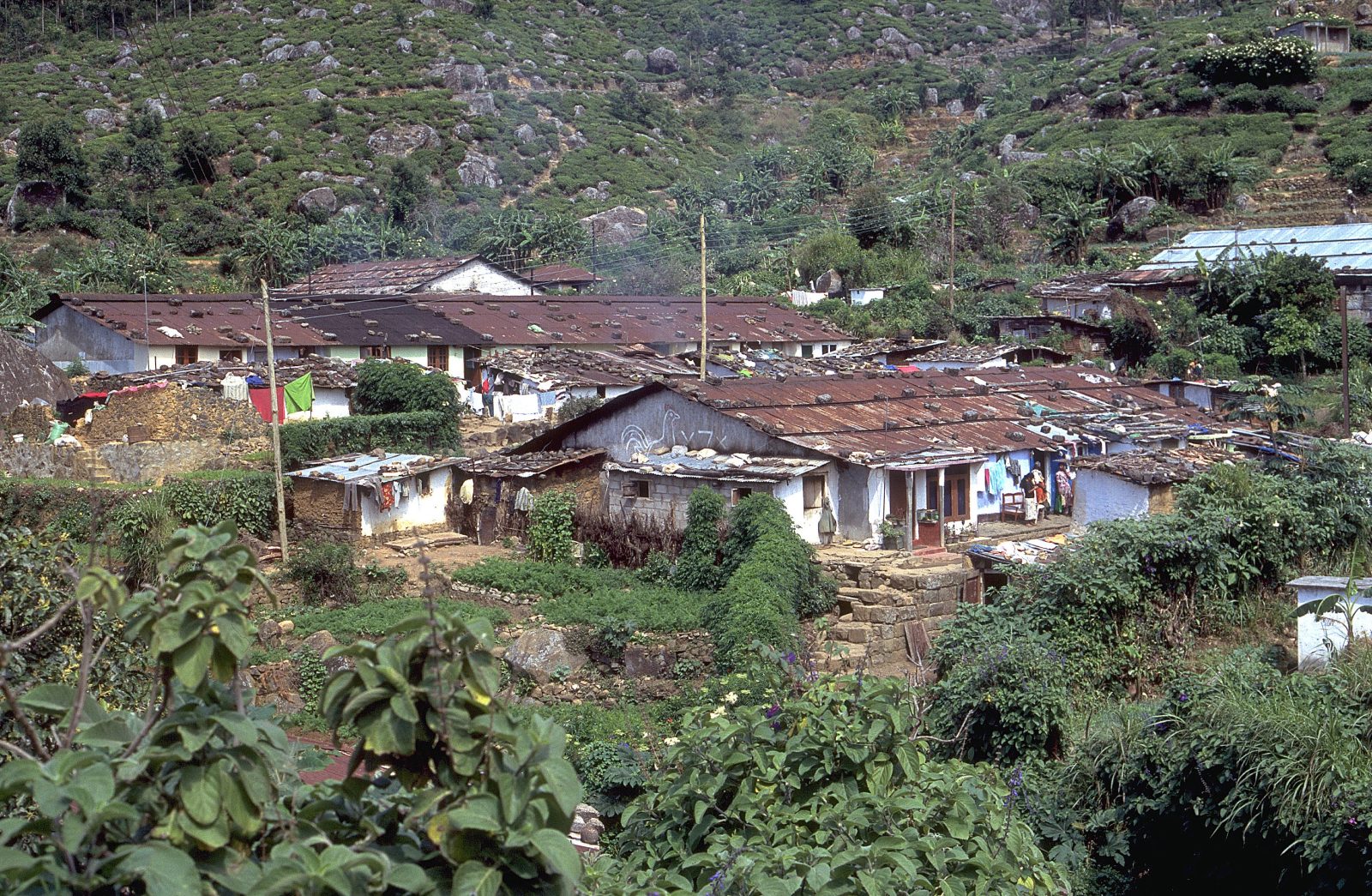
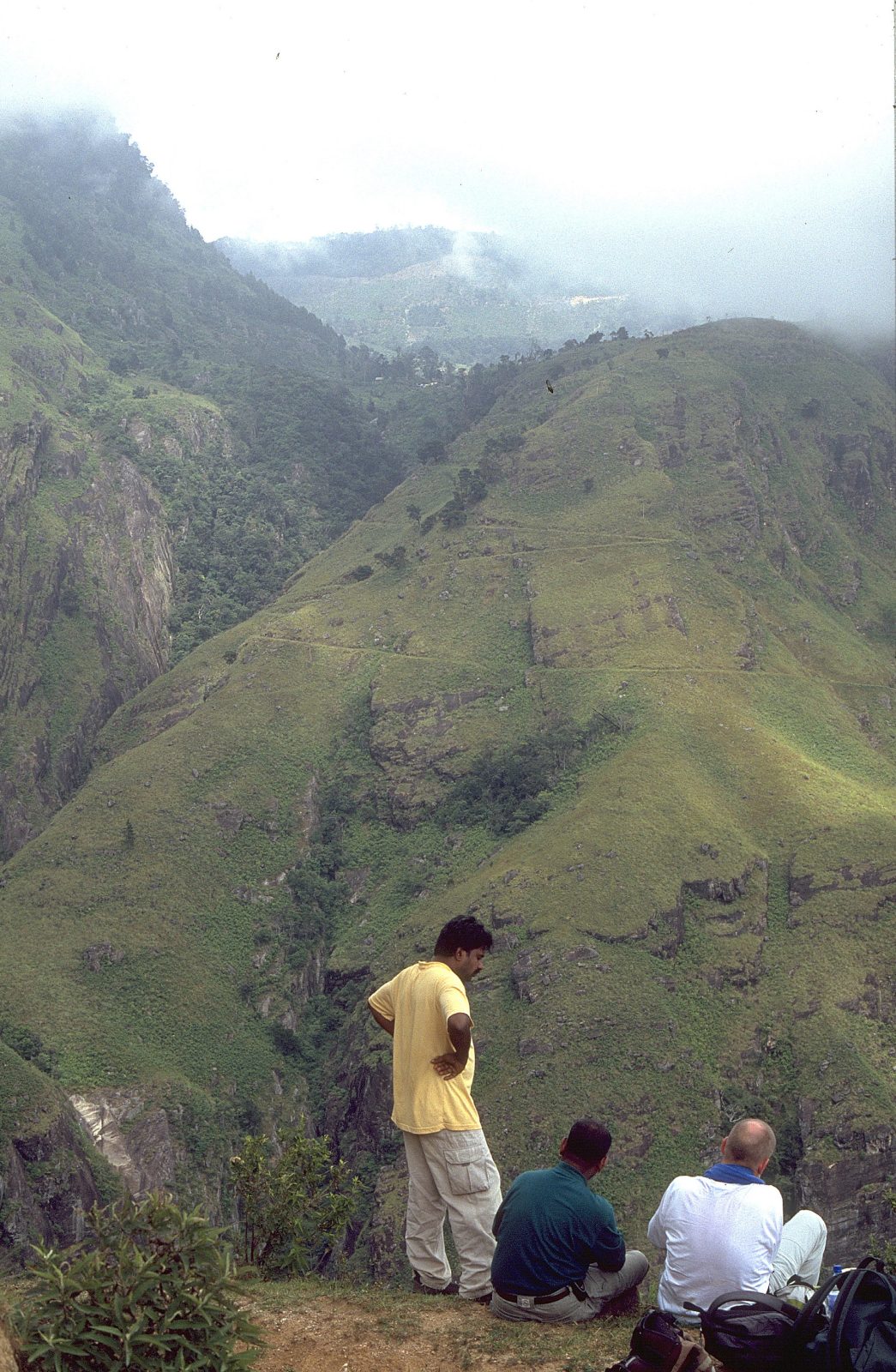
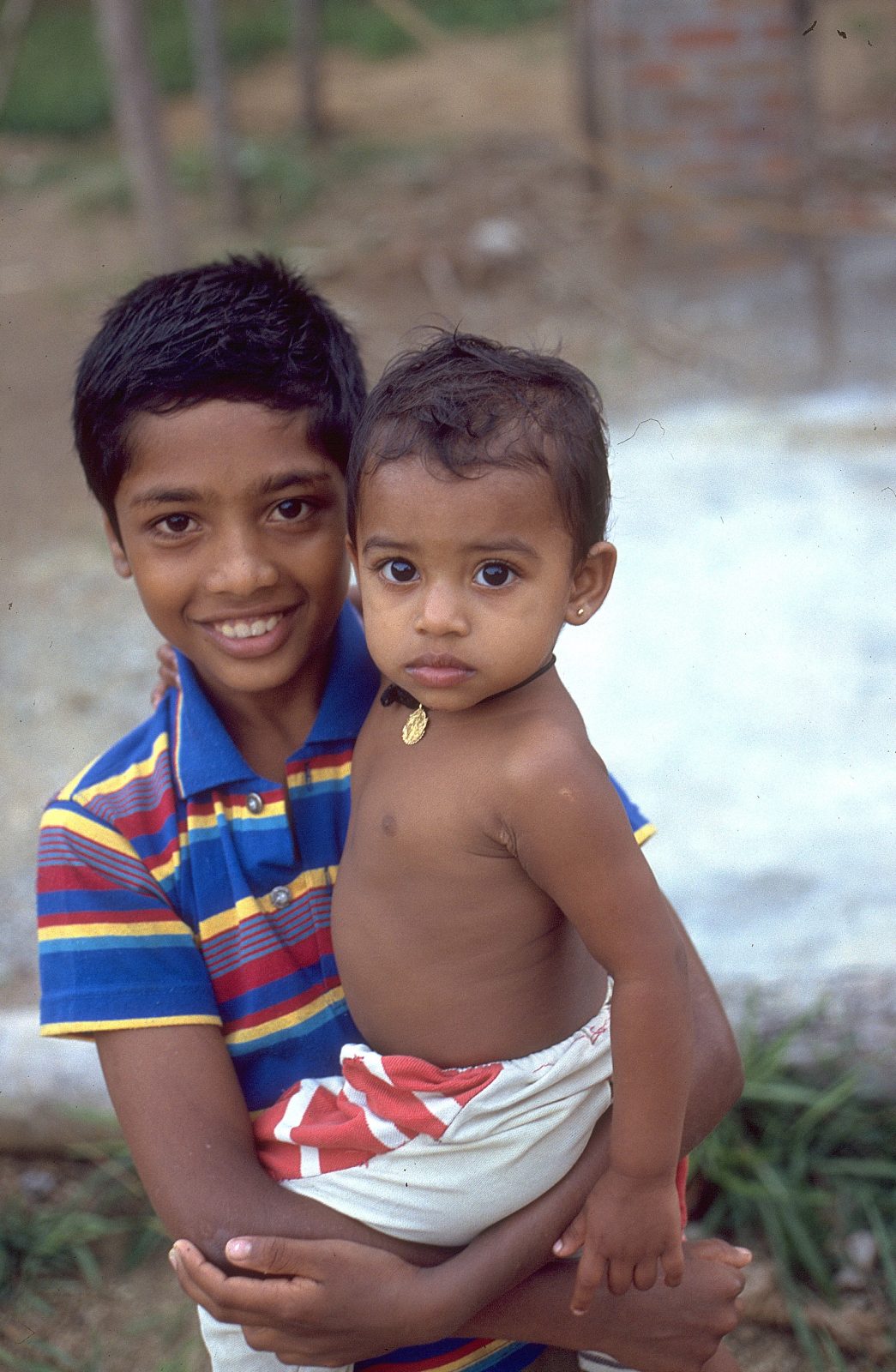
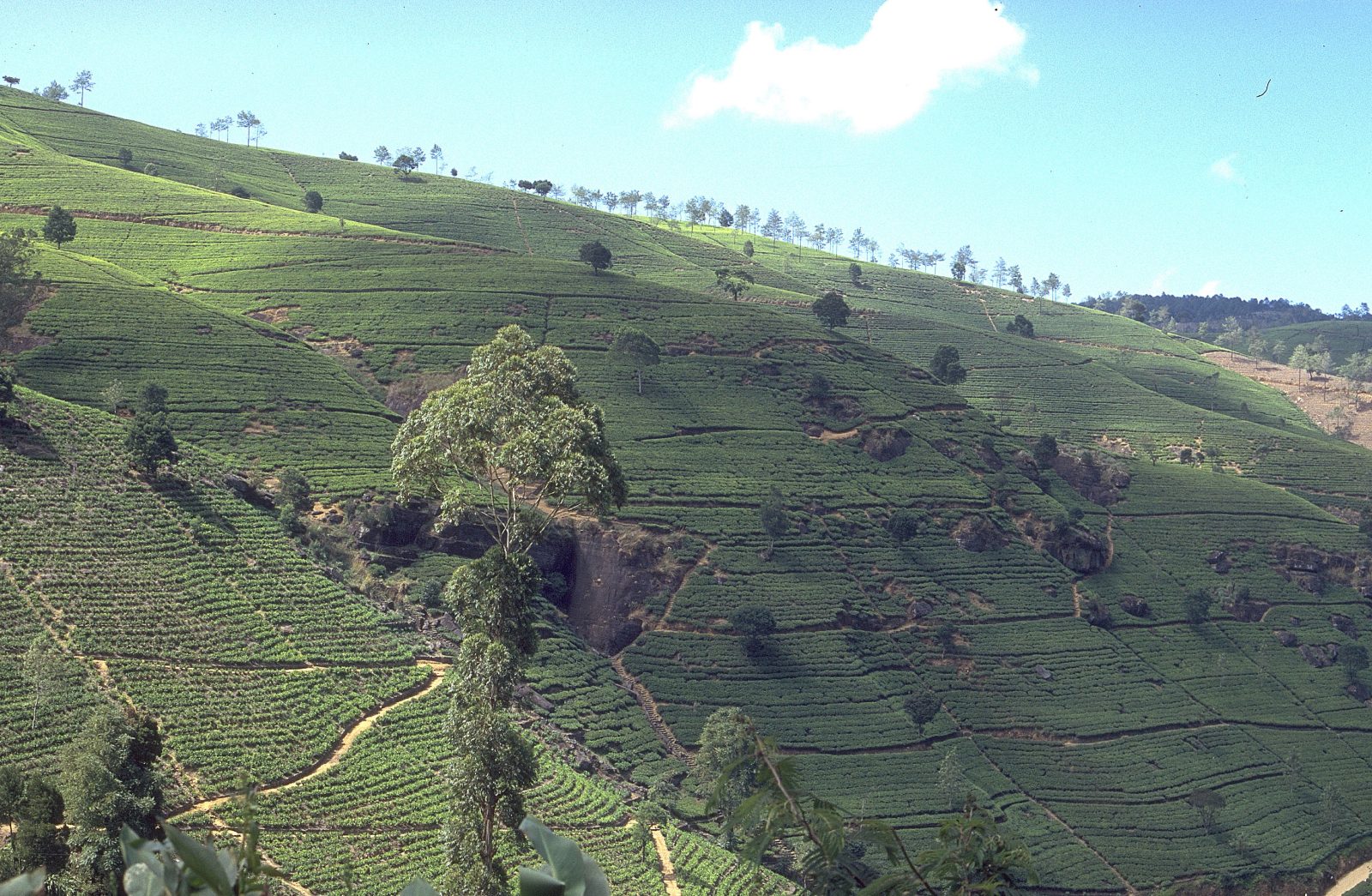
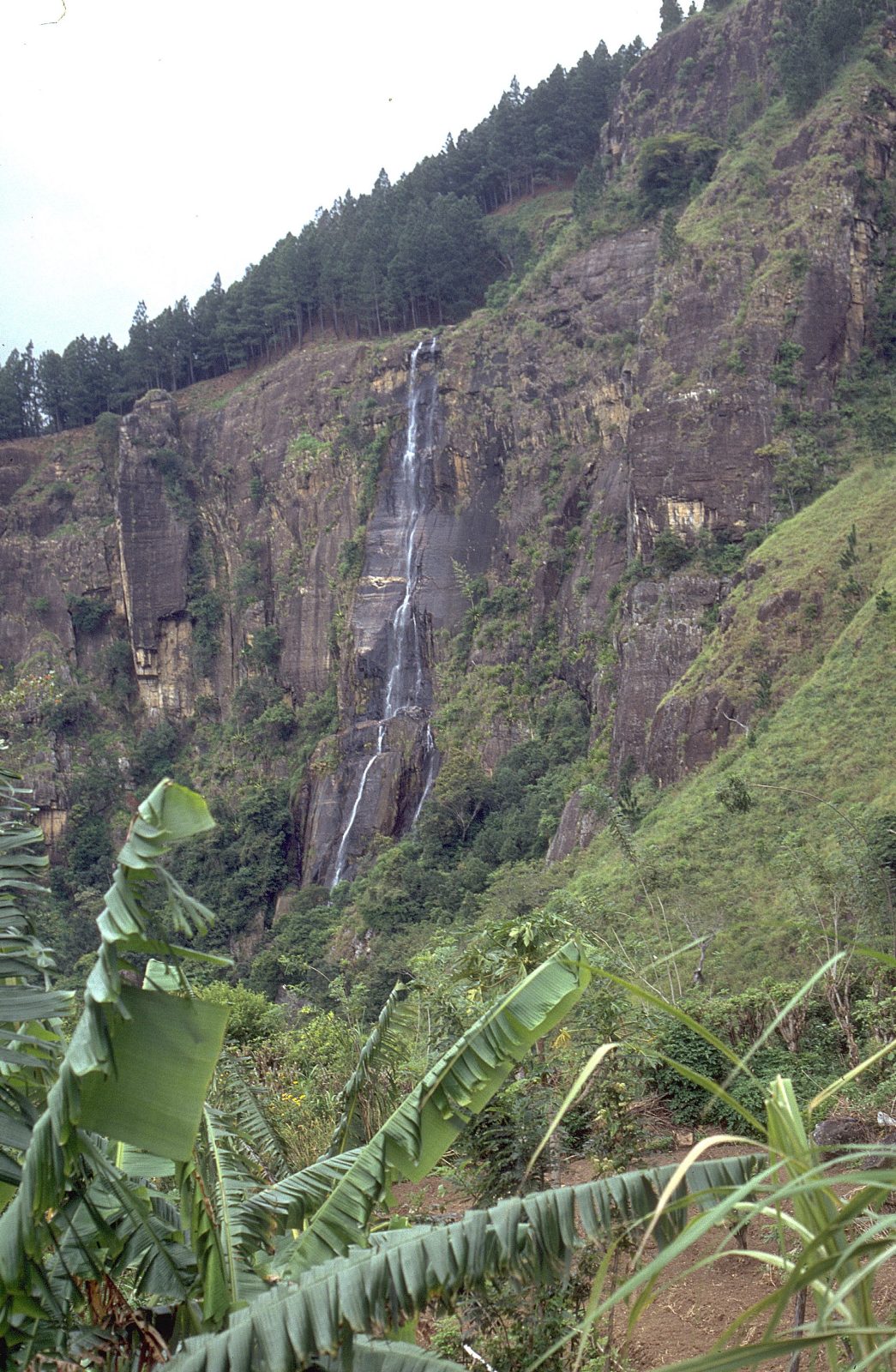
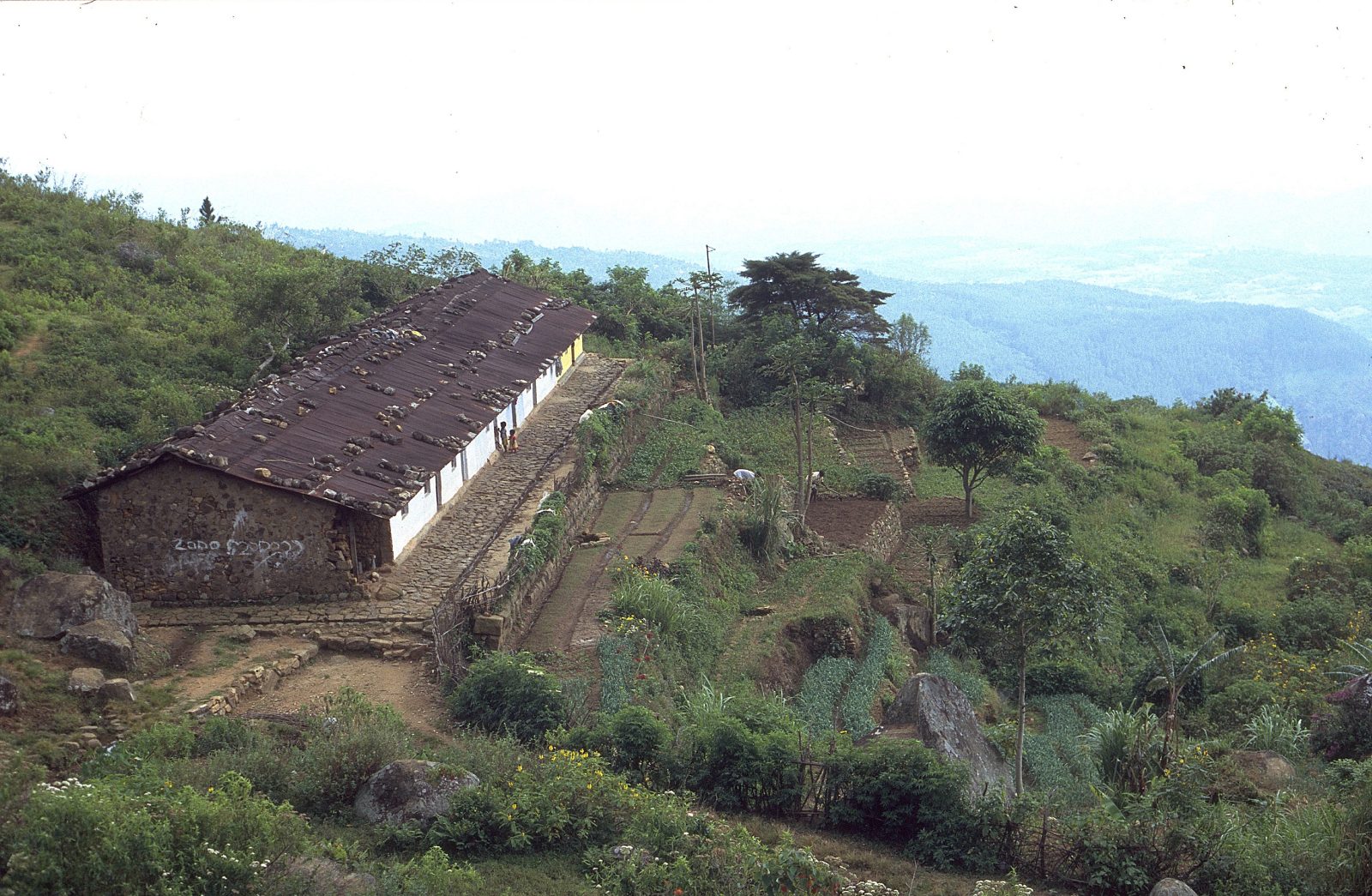
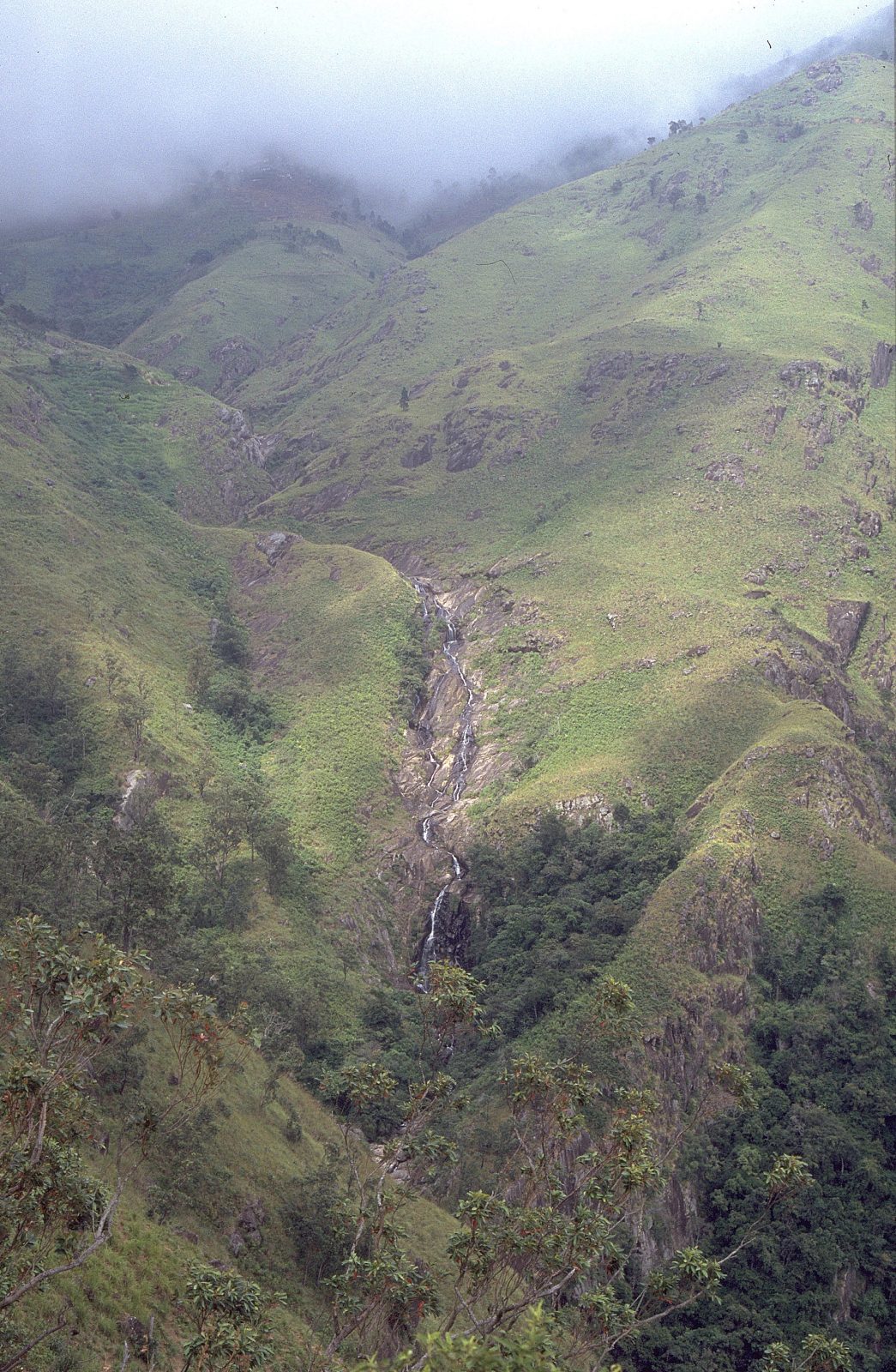
Of course, a jungle walk was a must on our first trip to Asia.
It was warm.
It was warm.